
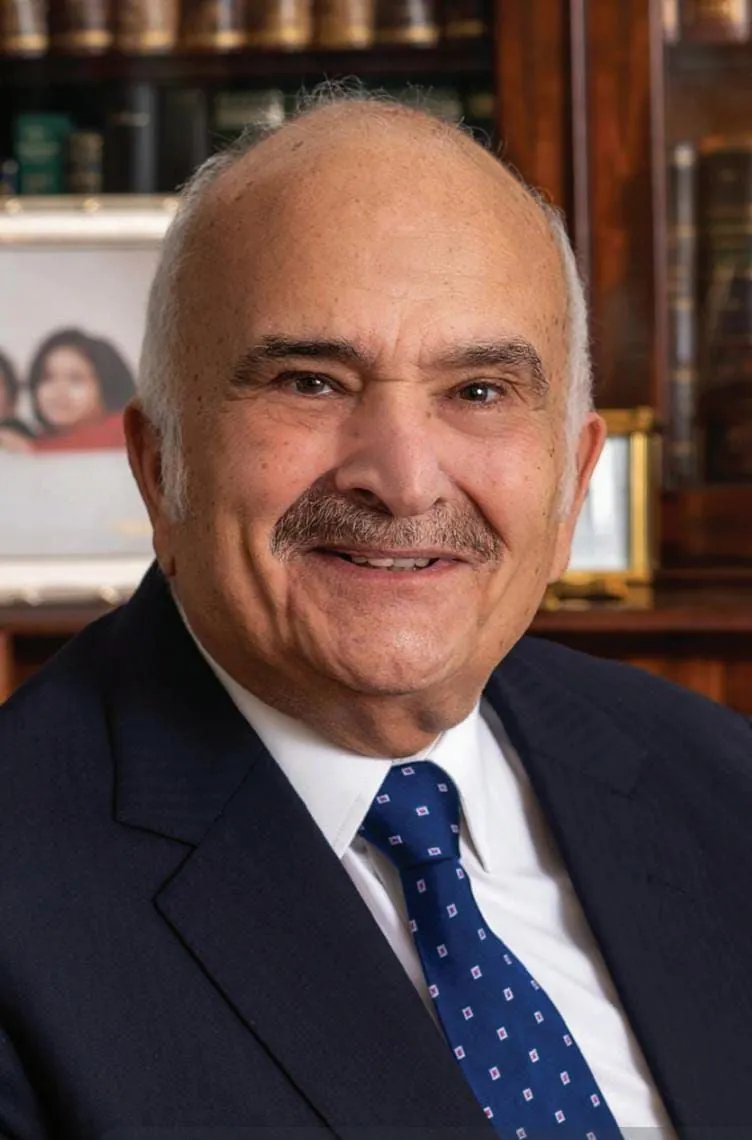
Founder and Patron
The essential challenge is how we invest our greatest asset: the human being
Young people must share in bearing responsibility and in making decisions
Dialogue with young people is the foundation of youth work
HRH Prince El Hassan bin Talal, Founder and Patron of the Award
The idea of the Award
The idea of the El Hassan Youth Award followed The Duke of Edinburgh's Award, first run in 1956. The idea spread to many countries under different names, and in Jordan it is known as the El Hassan Youth Award. It began in 1984 as a pilot at the Amman Baccalaureate School.
The El Hassan Youth Award gives Jordanian young people aged 14 to 24 the chance to take part, of their own accord, in four purposeful non-academic youth programmes: Voluntary Service, Skills, Physical Recreation and Adventurous Journeys, for the balanced development of their character.
The Award's Journey
-
1956
Founding of The Duke of Edinburgh's International Award
An international award founded in 1956 by Prince Philip, Duke of Edinburgh, and based in the United Kingdom.
-
1984
The work begins in Jordan
It began in 1984 as a pilot at the Amman Baccalaureate School.
-
2008
Sharjah Award for Voluntary Work
-
2009
Silver Jubilee
The Award celebrated its Silver Jubilee, twenty-five years since it began in Jordan, at a ceremony under the patronage of HRH Prince El Hassan bin Talal.
-
2014
El Hassan Youth Award permanent camp
The El Hassan Youth Award environmental camp was established with the support of the Greater Amman Municipality, and opened by HRH Prince El Hassan bin Talal in 2014. The camp is in Amman, Tabarbour, near Abu Dhar Al-Ghafari Mosque, and covers five dunums.
-
2024–2029
Full international licence
The Award holds a full licence from The Duke of Edinburgh's International Award for 2024–2029. It is one of only thirteen countries in the world with this licence, a mark of the quality of its programmes and of how well it applies international standards.
The Award in Numbers
1984
A pilot at the Amman Baccalaureate School
14–24
years: participants’ ages
4+1
4 programmes + the Residential Project
3
3 levels: Bronze · Silver · Gold
13
Full international licence 2024–2029, one of 13 countries
+130
More than 130 countries run the International Award
Philosophy of the Award
The principle the Award rests on is the opportunity and the challenge its programmes offer, on terms that are open to anyone who wishes to accept the challenge, hoping to do better for themselves and so for their community and country, through participation rather than competition.
The philosophy of the El Hassan Youth Award also grows from the higher human values that human society looks to and works to live by. Those values are built from freedom, justice, cooperation, participation, affection, responsibility, belonging, the good use of free time, greater productivity, service to the community, protection of the environment, and more.
The Award's philosophy comes down to the following ten points:
-
Designed for young people
-
Non-competitive
-
Voluntary
-
Inspiring
-
Enjoyable
-
Balanced in its programmes
-
Open to everyone, and achievable
-
Develops life skills
-
Encourages perseverance (a marathon, not a race)
-
Growing (commitment and responsibility), renewed and sustainable
Vision
We develop leaders for the future and plant in them affection, cooperation and loyalty to the leadership and the homeland. They are a model of Arab youth, equipped with knowledge, culture and belonging, able to meet the challenges of the age and to succeed in their lives.
Objectives
The El Hassan Youth Award programmes aim to enable young people to develop their personal and practical abilities, and to strengthen their initiative and leadership, through strategic objectives that help prepare an aware generation able to meet challenges.
These objectives are:
- Building a leadership character and strengthening the ability to take responsibility.
- Strengthening a sense of belonging and of responsibility to the community.
- Opening opportunities to discover hidden abilities and to refine individual skills.
- Strengthening a culture of voluntary work and service to the community, and embedding the values of commitment and discipline.
- Encouraging active participation with others, and embedding teamwork and constructive cooperation.
- Growing self-confidence, strengthening leadership qualities in young people, and developing initiative and innovation.
- Developing creative thinking, and the ability to solve problems in original ways.
- Developing essential life skills, including effective communication and decision-making, and developing them in professional, cultural and physical fields.
The programmes also seek to prepare young people with a complete and balanced character, joining the intellectual, the social and the practical, so that their part in building and developing society is stronger.
Core Values
Select a value to read what it means.
Empowerment
A belief in young people's abilities, and support for their personal and leadership growth.
Social and community responsibility
Instilling a sense of responsibility in young people, and encouraging them to play their part in serving their communities.
Initiative
Putting forward proposals and plans drawn from rational, unconventional thinking, so as to complete tasks and objectives, solve problems, and help create better conditions.
Active citizenship
Embedding the values of voluntary work and service to the community.
Excellence and quality
A commitment to high-quality programmes, following best practice.
Integrity
Transparency and fairness in offering opportunities and delivering programmes.
Partnership
Working in a spirit of cooperation and complementarity with partners and institutions.
International Dimension
What is The Duke of Edinburgh's International Award
It is an international award founded in 1956 by Prince Philip, Duke of Edinburgh, and based in the United Kingdom. It is now led by Prince Edward, Duke of Edinburgh, and is present in about 130 countries under different names. It too is for young people aged 14 to 24, and is among the most widespread and influential youth programmes in the world. The El Hassan Youth Award is licensed by The Duke of Edinburgh’s International Award Foundation, a registered charity that leads and supports the Award’s global work and growth through a social franchise model. For more about the Foundation, please visit www.intaward.org, and the International Award’s learning community at https://www.awardcommunity.org/ac/.
The Duke of Edinburgh's International Award Association
The Association is made up of 69 national Award bodies and 350 Independent Award Centres (IACs) in more than 130 countries and territories. The Association's work is carried out by the Foundation.
The international licence
The Award holds a full licence from The Duke of Edinburgh's International Award for 2024–2029. It is one of only thirteen countries in the world with this licence, a mark of the quality of its programmes and of how well it applies international standards.
Ambition
By creating opportunities for young people to develop skills, get physically active, give service and experience adventure, the Award can play an important role in their development outside the classroom. It also lets their achievements be recognised consistently around the world, giving young people a unique international accreditation of their experience. Our ambition is that every young person aged 14 to 24 in the world should have the opportunity to take part in the Award.
National Award offices are supported by the following four regions:
- Africa
- Americas
- Asia Pacific
- Europe, Mediterranean and Arab States (EMAS)
Various meetings and events are organised to promote and support Award activities in each region and worldwide.
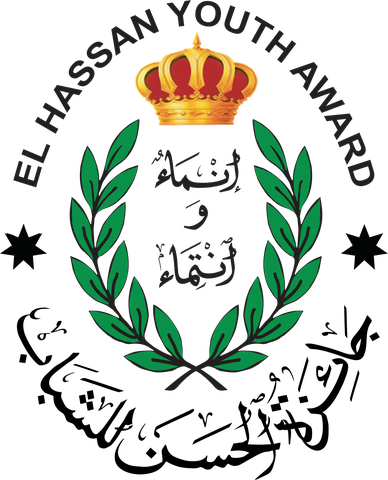
The logo
The key to this emblem is two words and two symbols.
Development
It means working for the young person's growth, emotional, moral and spiritual, and for the growth of mind and body. The focus is on the whole, not the parts: on character in every aspect.
Belonging
It speaks of the belonging held in one of the two symbols, the crown: God, homeland and the King. Setting out from beloved Jordan, it rises into the wider Arab homeland, and from there to all of humanity.
This belonging begins in roots that run deep in the earth, and in the good symbolised by two ears of wheat. Earth here means identity, including language, Arabic, the language of the ḍād. It also means releasing the energies of the person and of society together, and it carries unlimited giving, concern for others, and putting others first.
Members of the Board of Trustees of the El Hassan Youth Award
Members of the Board of Trustees for 2026.
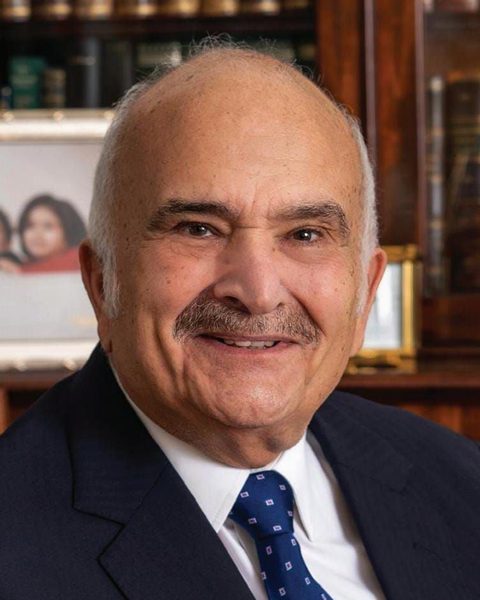
HRH Prince El Hassan bin Talal
Founder and Patron
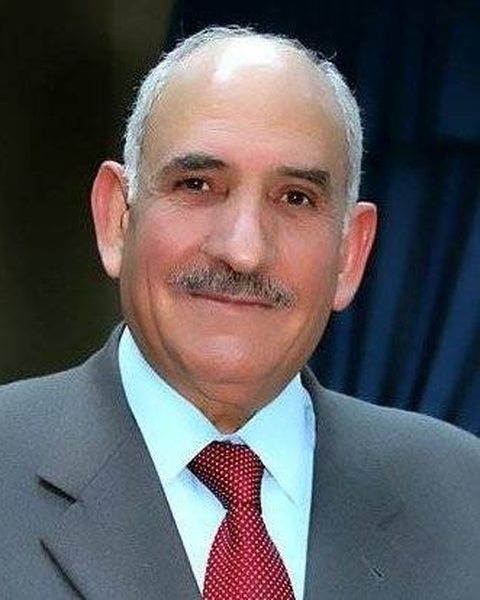
H.E. Dr Mohammad Al-Dhneibat
Chairman of the Jordan Phosphate Mines Company, and Chair of the Board of Trustees of the El Hassan Youth Award
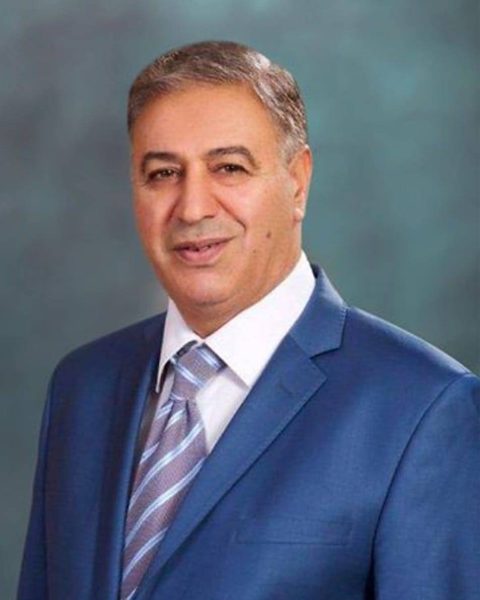
H.E. Eng. Shehadeh Abu Hdeib
Chairman of the Arab Potash Company, and Vice-Chair of the Board of Trustees of the El Hassan Youth Award
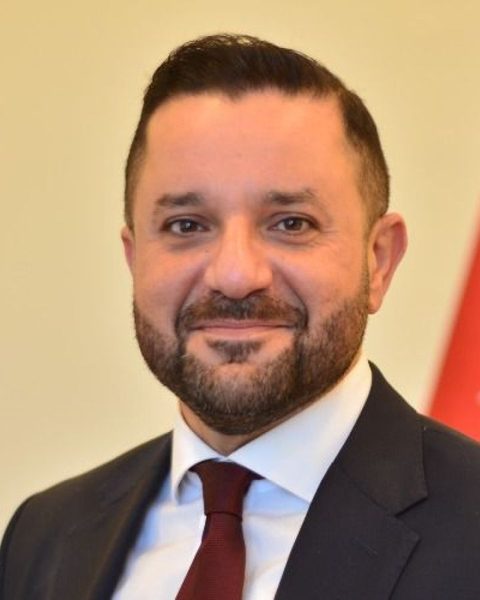
H.E. Dr Mohammad Al-Ississ
Former Minister of Finance
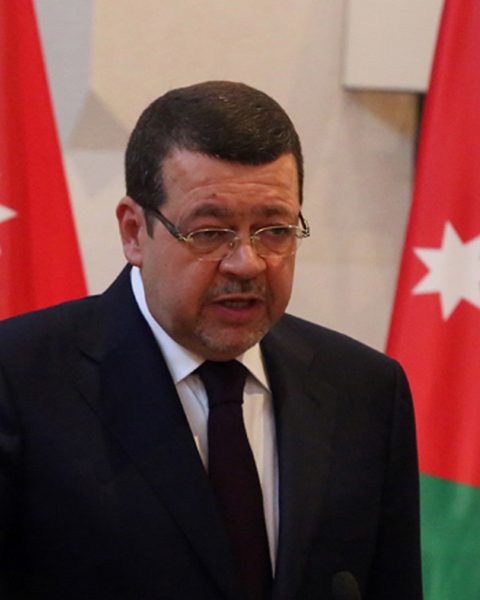
H.E. Mr Ayman Hatahet
Chairman of the Jordan Carbonate Company
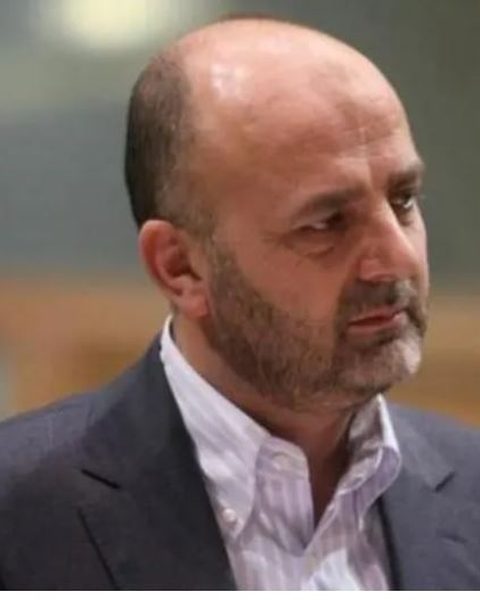
Eng. Abdel Rahim Al-Baqai
Chairman of the Jordan Petroleum Refinery Company, and Chair of the Policies and Risk Committee
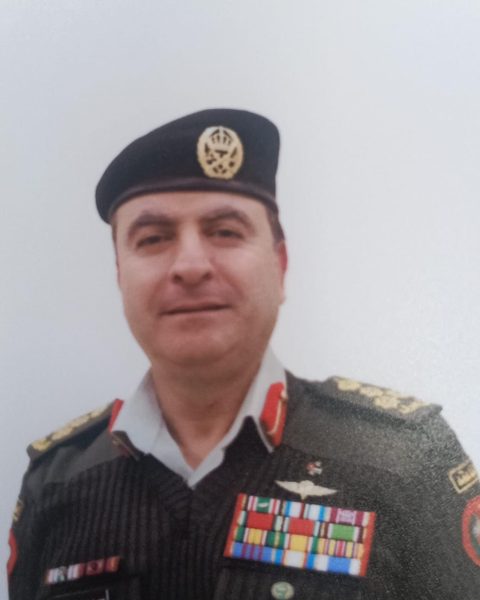
Brigadier General Mohammad Badr Al-Meqdadi
Director of the Military Training Directorate, Jordan Armed Forces
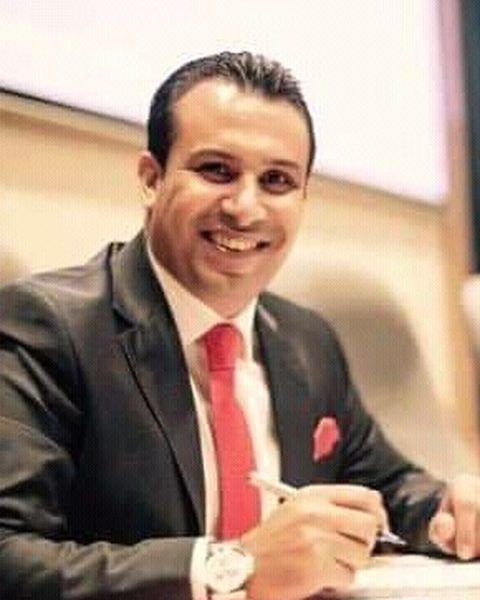
Dr Nawaf Al-Ajarmeh
Secretary-General for Educational Affairs, Ministry of Education
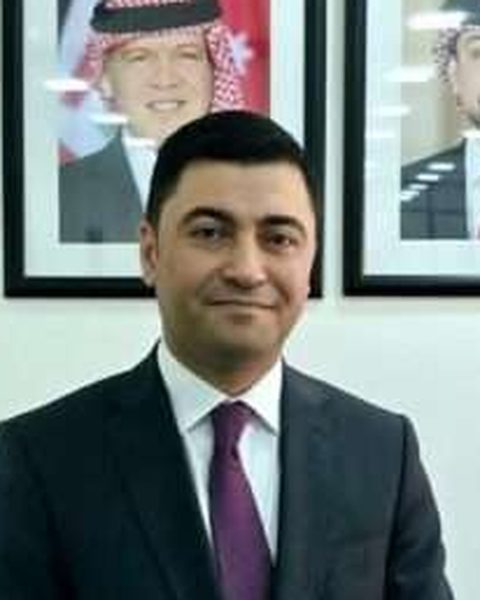
Dr Mazen Abu Baqer
Secretary-General of the Ministry of Youth
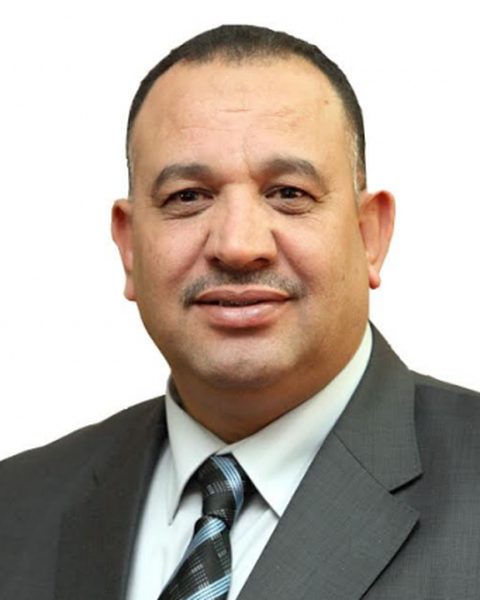
Dr Hussein Said
Chief Executive Officer, Jordan Islamic Bank, and Chair of the Resources and Finance Committee
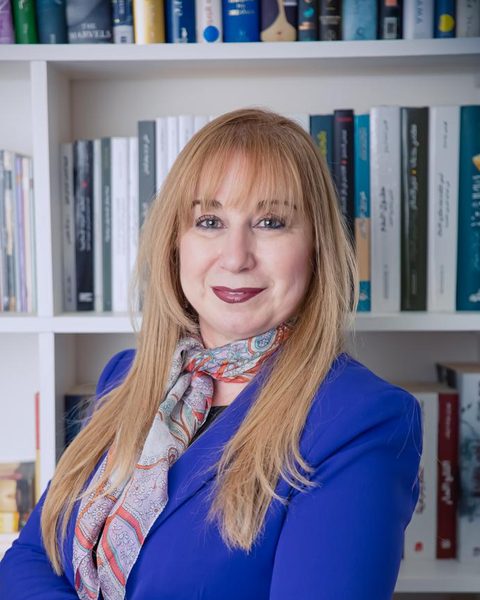
Dr Khawla El Hassan
Director of the El Hassan Youth Award
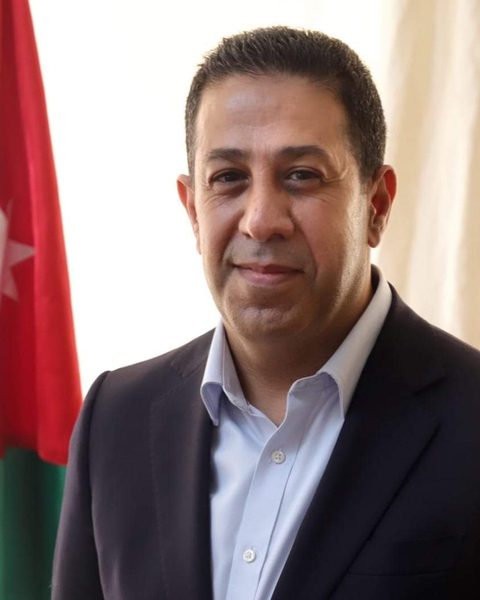
Dr Iyad Abu Haltam
Amman Chamber of Industry
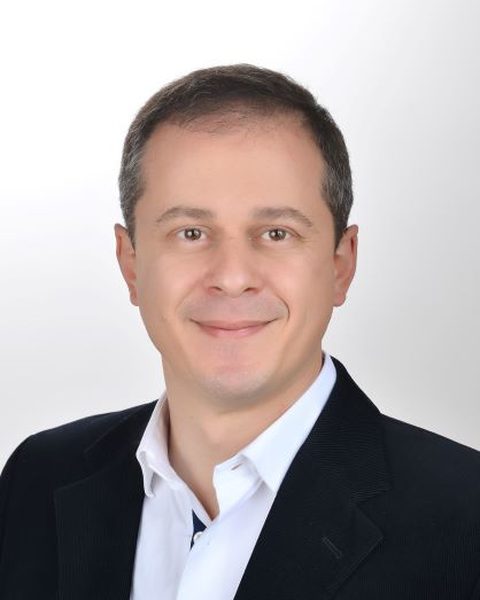
Eng. Zaid Budair
Projects Director, Arab Technical Construction Company

Ms Rana Arafat
Award Liaison Officer, El Hassan Council, and Secretary of the Board of Trustees
El Hassan Youth Award policies
The Award publishes its adopted policies, and the files that go with them, here.