
Amman, 29 June (Petra) – Salwa Saleh – The El Hassan Youth Award set out from the vision of HRH Prince El Hassan bin Talal, based on investing in young people as the true wealth of Jordan. The Award has translated this vision in recent years by seeking to be the true national partner of the youth community, and a leading and internationally recognised institution in delivering youth programmes.
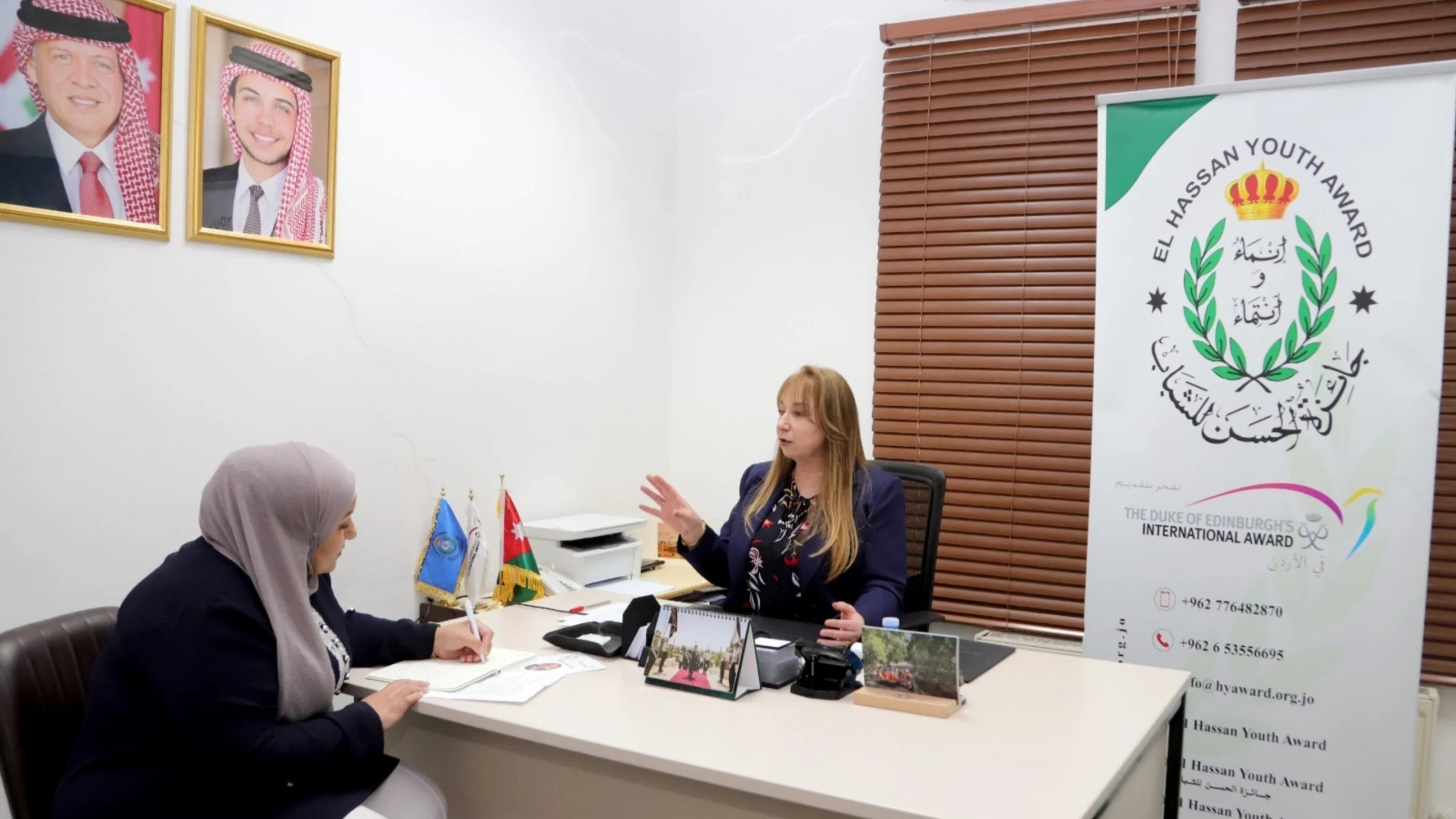
The Award’s Director, Dr Khawla Al Hassan, said in an interview conducted with her by the Jordan News Agency (Petra) that the Award has continued its commitment to its message of providing valuable and widely spread youth programmes to empower young people, expanding its reach to include schools, universities, youth centres, care homes, centres for persons with disabilities and community initiatives, in addition to the less fortunate and geographically remote areas.
She added that the Award has strengthened its national partnerships and qualitative programmes, and focused on developing life and leadership skills and consolidating the values of active citizenship, voluntary work and belonging, contributing to preparing a generation capable of participating effectively in the national development process, affirming that the Award’s vision is “to be the true national partner of the youth community and to be internationally recognised as the best local institution providing development programmes for young people”, while its message crystallised in the continuous commitment to providing valuable and widely spread youth programmes to empower young people.
She pointed out that 2026 witnessed the development of qualitative programmes and activities within the Award’s 4 axes: Service, Skills, Physical Activities, and the Adventurous Journey, in line with the needs of young people and contemporary challenges. The Award also focused on expanding access to new groups, and strengthening partnerships with universities, national institutions and civil society organisations, to provide broader opportunities for participation, learning and gaining experience.
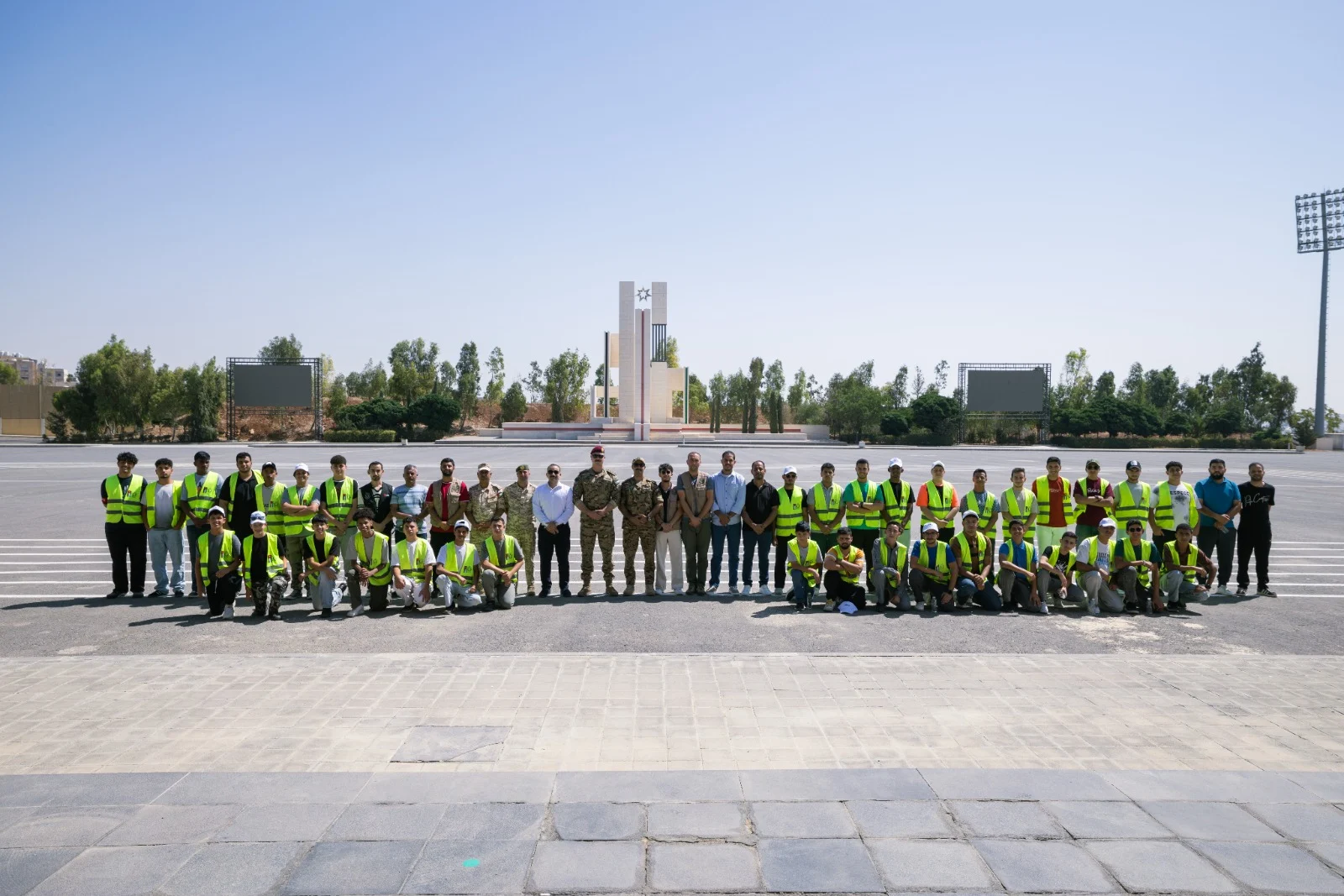
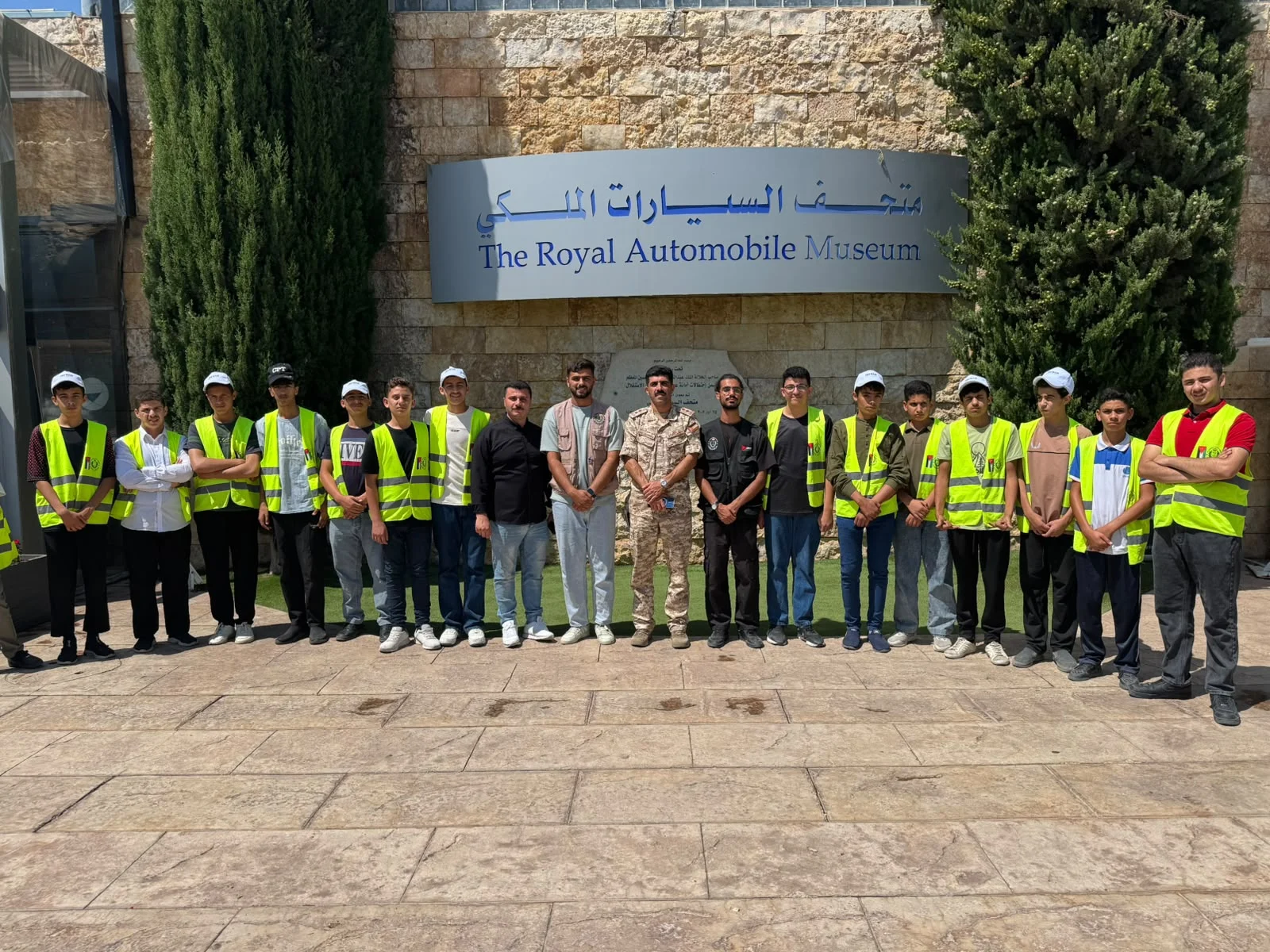
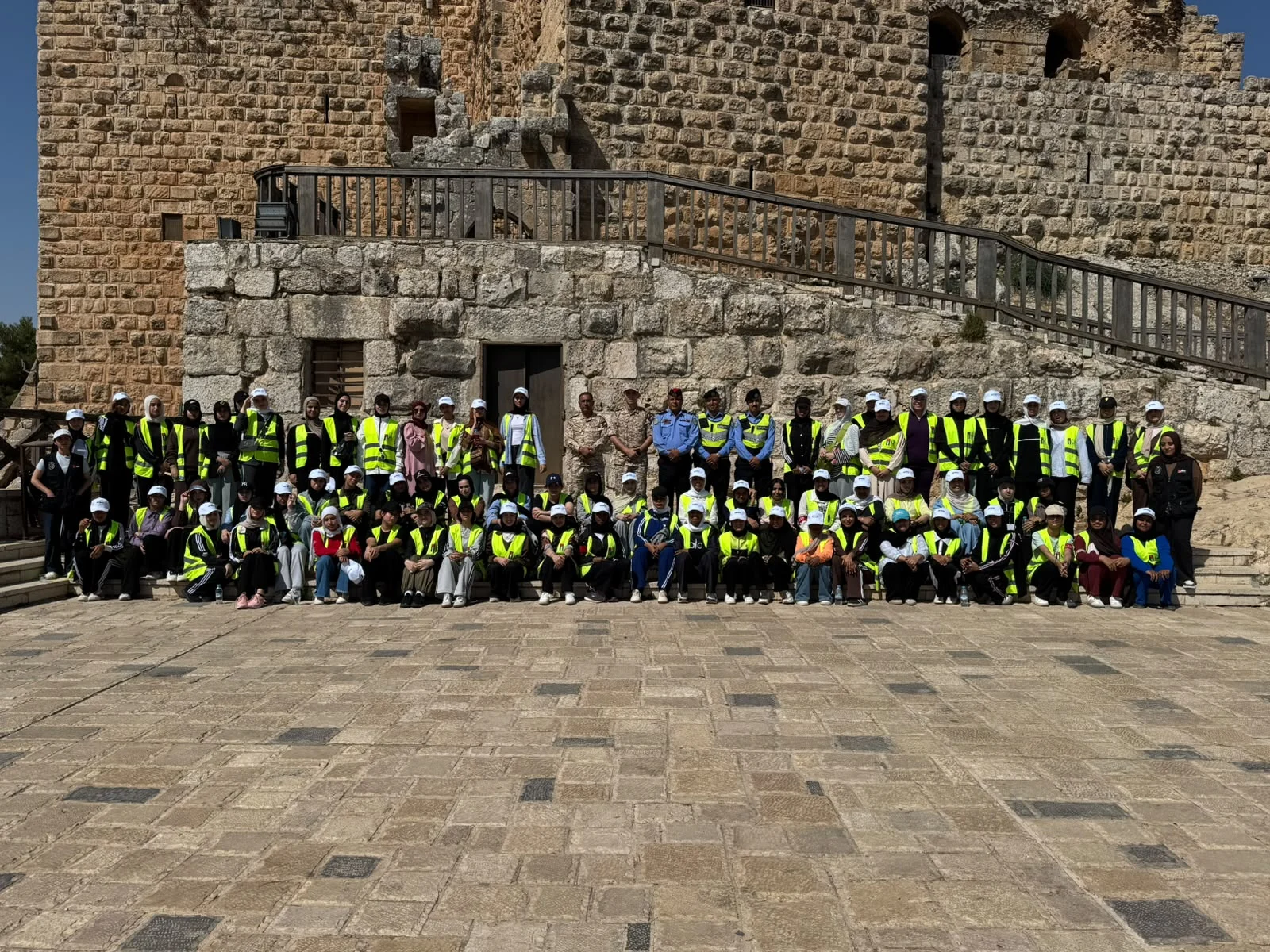
Among the most prominent developments is the expansion of the Military Culture schools project; the number of participating schools rose to include all governorates of the Kingdom, especially remote and less fortunate areas. Modern topics such as cybersecurity, digital awareness, combating extremist thought and community leadership were also integrated, alongside strengthening interest in artificial intelligence and future skills, and connecting young people with priority national issues.
Al Hassan noted the expansion of programmes directed at young people from care homes, those lacking family support, persons with disabilities and youth in remote areas, out of the Award’s belief in providing equal opportunities and strengthening human dignity, noting that the Award is working on programmes that integrate academia with industry by introducing young people to work environments and linking theoretical knowledge with practical application, to strengthen their readiness for the labour market.
The Award continues to consolidate its role as a national platform combining learning by doing, voluntary work, skills development, personality building, and engaging young people in designing activities and proposing solutions, in line with its strategy “Growth and Belonging towards a Sustainable Youth Impact”.
Regarding access to governorates, the badia and camps, she affirmed that qualitative opportunities must be available to all; the Award works with the Ministry of Education, the Ministry of Social Development, the Ministry of Youth, the Jordan Armed Forces, the Public Security Directorate, Civil Defence, universities and civil society organisations, and has expanded noticeably in governorates, the badia, remote areas and military schools, which is a main axis in the 2026-2030 strategy. It also works to remove geographical, social and economic obstacles to ensure programmes reach the largest possible segment, while developing resources, capacities and partnerships to raise quality and sustain impact.
On digitalisation and artificial intelligence, she explained that digital transformation is an essential part of the work, through the adoption of the computerised record “ORB” to follow up progress and document achievements electronically. Digital training content and interactive materials that keep pace with young people’s interests are also being developed, and technologies are being used to facilitate communication and raise management efficiency, while preserving the essence of learning by doing and direct interaction.
Regarding creative activities, Al Hassan explained that the Award gives young people the opportunity to turn their ideas into projects with real impact. In recent years, participants have implemented voluntary and service activities in the environment and sustainability, public health, digital awareness, empowering children and young people, supporting the elderly and orphans, promoting culture and national heritage, traffic safety, cybersecurity, sports activities and educational initiatives, as young people employed the skills they acquired to serve their communities and respond to their needs.
She explained that the Award has a global framework and fixed international standards that ensure quality, but it gives national offices flexibility to adapt programmes to the needs of the local community. In Jordan, this flexibility is used to design activities that address youth issues and invest in cultural, environmental and social heritage, while fully preserving international standards.
Al Hassan affirmed that the Award’s impact does not stop at the Bronze, Silver or Gold level, but extends to a continuous journey of learning, leadership and community service.
She presented examples of graduates who continued to develop themselves through specialised courses; some of them joined leadership preparation programmes and supervisory board assistant programmes to become active volunteers in camps and national programmes, while some joined the Award’s staff.
She touched on the story of participant Ammar from the Dar Al Ihsan Association for the Care and Rehabilitation of Orphans, whose participation formed a turning point in his path; through the programmes he strengthened his self-confidence and developed his skills in teamwork, communication and facing challenges, and his participation in the Siraj football championship was among the most prominent milestones in which the values of discipline, commitment and teamwork grew in him.
Ammar contributed to the Dar Al Ihsan team winning first place and received the best player award, an achievement that motivated him and his colleagues to continue.
On measuring impact, Al Hassan explained that the Award follows up the development of participants during the programmes and after graduation, through indicators of achievement, continuity, volunteering, leadership and community participation.
What appears most is growth in self-confidence, bearing responsibility, the ability to communicate and work in a team, and decision-making, as many graduates take on leadership roles in their universities and workplaces, while others continue volunteering after completing the levels, receiving courses that qualify them as supervisory board assistants and photography assistants, and contributing to training new generations, reflecting the Award’s success in building a sustainable system of youth leaders.
On strategic partnerships, she affirmed that the Award is a pillar for expanding impact through a network comprising many entities. Over the past two years, the Award signed memoranda of understanding and cooperation agreements with academic, youth and community institutions, most notably: a memorandum with the Ministry of Social Development to expand access to youth in care homes and those lacking family support, alongside partnerships with universities, the Jordanian Scouts and Guides Association, the Travelers’ Community at the American University of Madaba, the “An Hour Makes a Difference” initiative, and civil society and private sector institutions.
These partnerships contributed to providing training, qualification and volunteering opportunities, and implementing programmes, camps and activities in leadership, life skills, community work, entrepreneurship and active citizenship, and expanding access to youth in governorates, care homes, those lacking family support and persons with disabilities, strengthening the principle of equal opportunity.
She explained that the slogan “Growth and Belonging” means the growth of the human being in his emotional, moral, spiritual, intellectual and physical aspects, and the connection of young people to their homeland, identity and values, and their openness to their Arab and human surroundings in the meanings of giving, responsibility and altruism, citing the words of HRH Prince El Hassan bin Talal: “Young people must be involved in bearing responsibility and making decisions”. Hence the Award gives space for initiative, leadership and effective participation, to enable young people to move from receiving to influencing and creating positive change.
On the future role of graduates, she said they are ambassadors of the values of leadership, responsibility, initiative and community service, and are expected to be more present in all sectors, contributing to leading community projects, national programmes, entrepreneurship and public work.
The Award is working within the 2026-2030 strategy to build the Award holders’ community as an effective national network linking graduates and enabling the exchange of experiences, cooperation, volunteering and mentoring, so that they become mentors and role models for new participants.
On the distinction of the Jordanian model within the global “Duke of Edinburgh’s Award” network, she explained that Jordan combined commitment to international standards with responding to the needs of young people and the specificity of society.
Since 1984, the Award has consolidated its position as a leading national institution in youth development. Among the most prominent elements of distinction are the continuous royal support and patronage, institutional expertise of more than 4 decades, a board of trustees of national competencies, specialised committees for governance and planning, and the Award obtaining full licensing from The Duke of Edinburgh’s International Award for the period 2024-2029, evidence of the quality of systems and commitment to standards, an achievement attained by a limited group of countries.
She considered the permanent El Hassan Youth Camp in Tabarbour a point of strength as an integrated national platform for training programmes, camps, journeys and activities, which strengthens sustainability and expansion.
Al Hassan concluded by affirming that the Award looks forward in the coming years to expanding access in the governorates, strengthening programme quality, building more national and international partnerships, and developing digital tools, while engaging young people in developing programmes as essential partners.
It also seeks programmes that integrate academia with industry to strengthen young people’s readiness for the labour market and the requirements of the modern economy, and to consolidate the Award’s presence regionally and internationally as a leading platform for preparing young leaders capable of creativity and initiative and contributing to building Jordan’s future.