

Overall aim
To encourage taking part in sport, and to make a challenge of progressing in a sport the participant wants to pursue, so as to gain and develop new skills and reach a better standard of movement, for these purposes:
- To strengthen a sound understanding of the chosen activities and of how to practise them correctly.
- To discover their own potential, through competing with themselves, in a way they enjoy.
- To gain a greater level of physical fitness and health, in the light of their own capacity and readiness.
- To develop movement skills to a better standard, useful in their various daily activities.
- To grow in self-reliance by learning how to set a personal training programme, so they keep up the sport in their free time after the Award requirements are finished.
Types of physical activity
Physical activities fall into two groups. In the first, progress is measured in figures. The second needs a standard for judging progress in skill, suited to the activity, and includes team games, combat sports, racket games and aesthetic activities.
-
Group one
Activities in which progress is measured by time, distance or weight: athletics, swimming, shooting, physical fitness, cycling, bodybuilding and weightlifting.
-
Team games
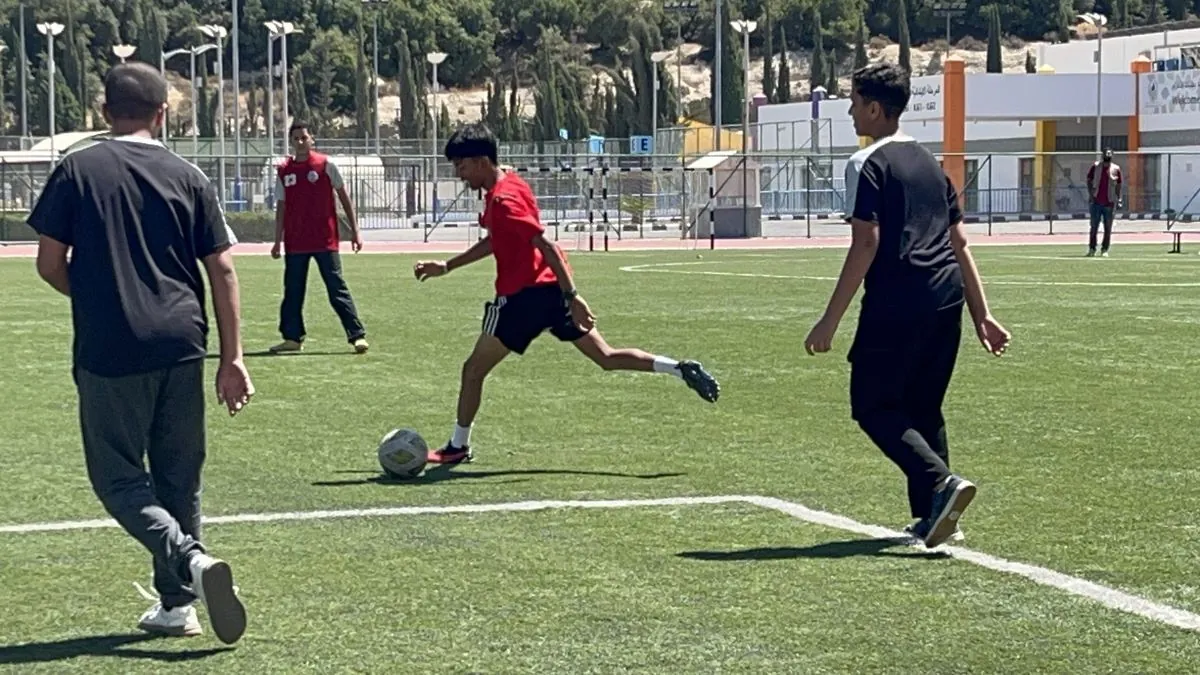
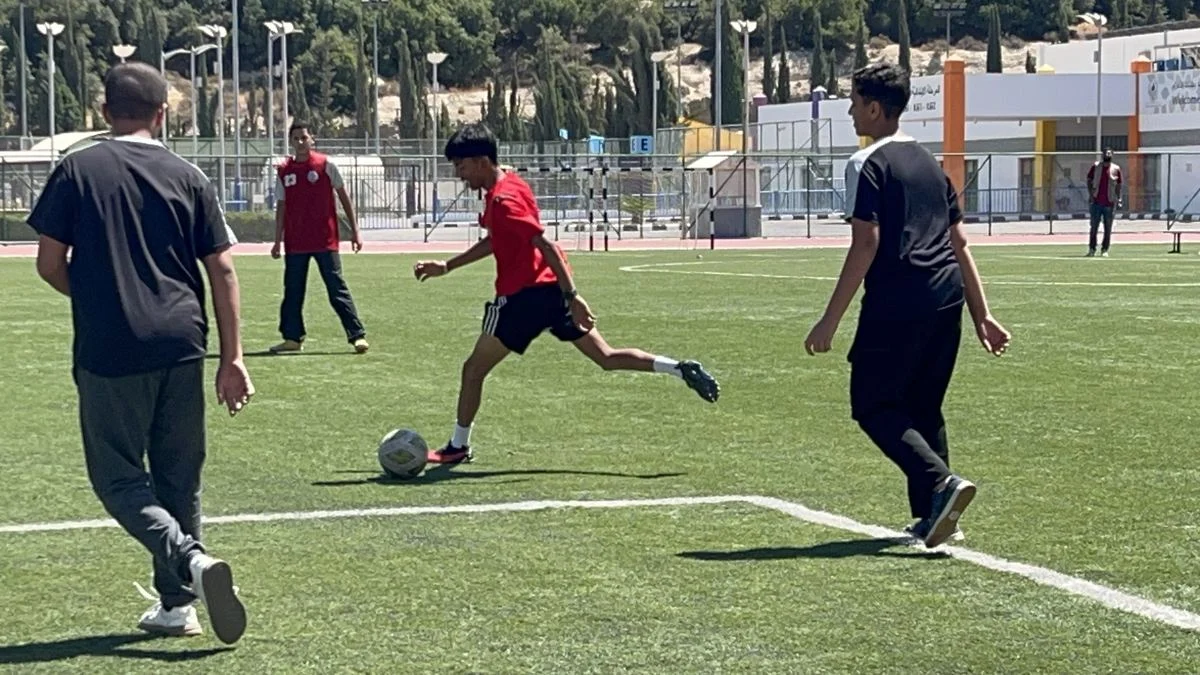
Football, volleyball, handball, hockey and polo.
-
Individual combat and self-defence
Karate, judo, fencing, boxing, wrestling, taekwondo, and Chinese and Filipino martial arts.
-
Racket games
Badminton, tennis, table tennis and squash.
-
Aesthetic activities
Gymnastics, diving and roller skating.
Minimum length of training
- Minimum months of training
- 3
- Extra months, if you wish
- 3
- A three-month training programme, starting from the participant's initial level.
- Minimum months of training
- 6
- Extra months, if you wish
- 6
- A six-month training programme, starting from the participant's initial level.
- Minimum months of training
- 12
- Extra months, if you wish
- 6
- A twelve-month training programme, starting from the participant's initial level.
Requirements, qualifying and supervision
Requirements
Each participant chooses one sport from those classified in the handbook, in either group, and discusses with the specialist coach whether they can take it up. Their initial level is then set, and a training programme is written: three months for Bronze, six months for Silver and twelve months for Gold.
A suitable place to train, and a good coach for the activity, must be available.
Qualifying
Through actually taking part, the participant makes progress and reaches a marked measured standard in group-one sports, at each Award level.
They show clear progress in the skills of group-two sports. Turning up and taking part is not enough on its own.
Training hours are open, so that progress can be made. The participant commits to practising in their free time for the set period, each according to their ability.
They learn the sport and its rules, can judge the incidents that arise in it, and know its safety precautions.
Minimum training: three months for Bronze, six months for Silver and twelve months for Gold. If you wish, you may add three months for Bronze, six months for Silver and six months for Gold.
Supervision and assessment
A supervisor who specialises in physical recreation oversees the participants, and explains the two groups of sports and how progress is measured in each.
The participant's starting level is set (beginner, intermediate or advanced). They then work towards a better standard than that, each according to their ability.
Discipline: the participant keeps to the rules, to the place and time set for the activity, and to suitable sports clothing.
Skills: the participant learns the basic skills of the activity they practise.
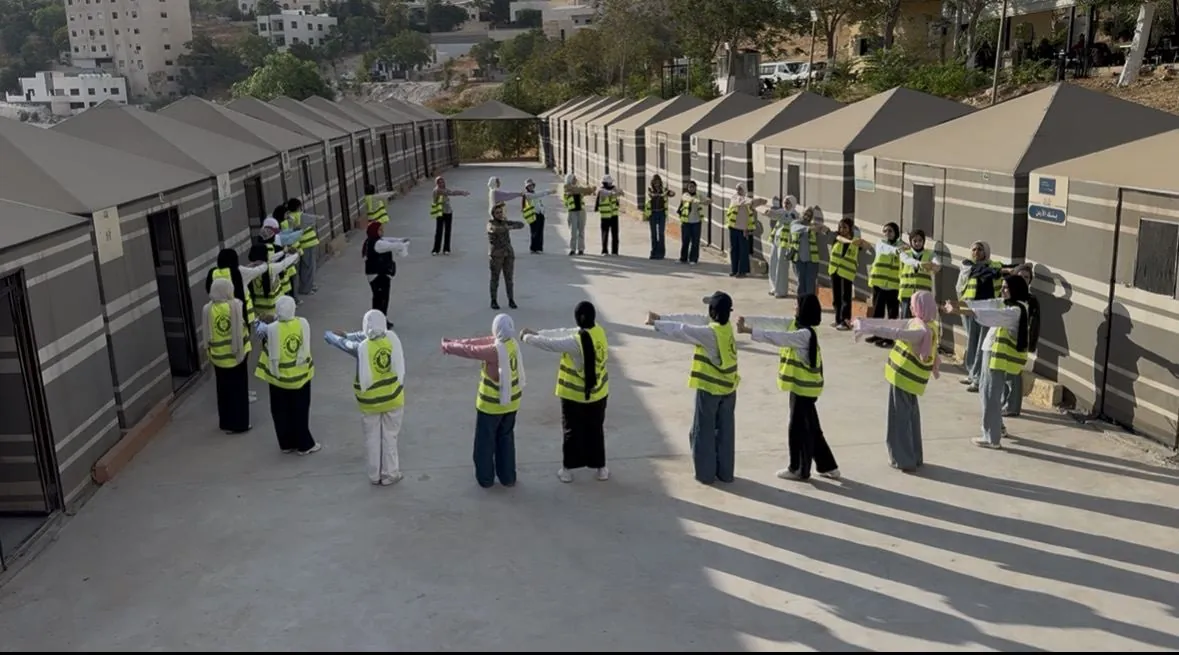
Physical fitness: with the supervisor, the participant chooses at least four components of fitness, such as flexibility, strength, speed, endurance, agility, balance, accuracy and neuromuscular coordination, and works to raise them.
Matches: they take part in matches inside school, between classes, or outside it in school teams or clubs.
Knowledge and rules: in a personal notebook they record what they trained in and learned about the activity, and the rules of the game, including the size of the court, the number of players and officials, and the length of a match.
Progress in group-one sports is measured on the set scoring tables, and in group-two sports by how far the skill has progressed.
When the Physical Recreation programme has been completed successfully, the supervisor fills in the participants' assessment reports in the Award record and signs them.