


Overall aim
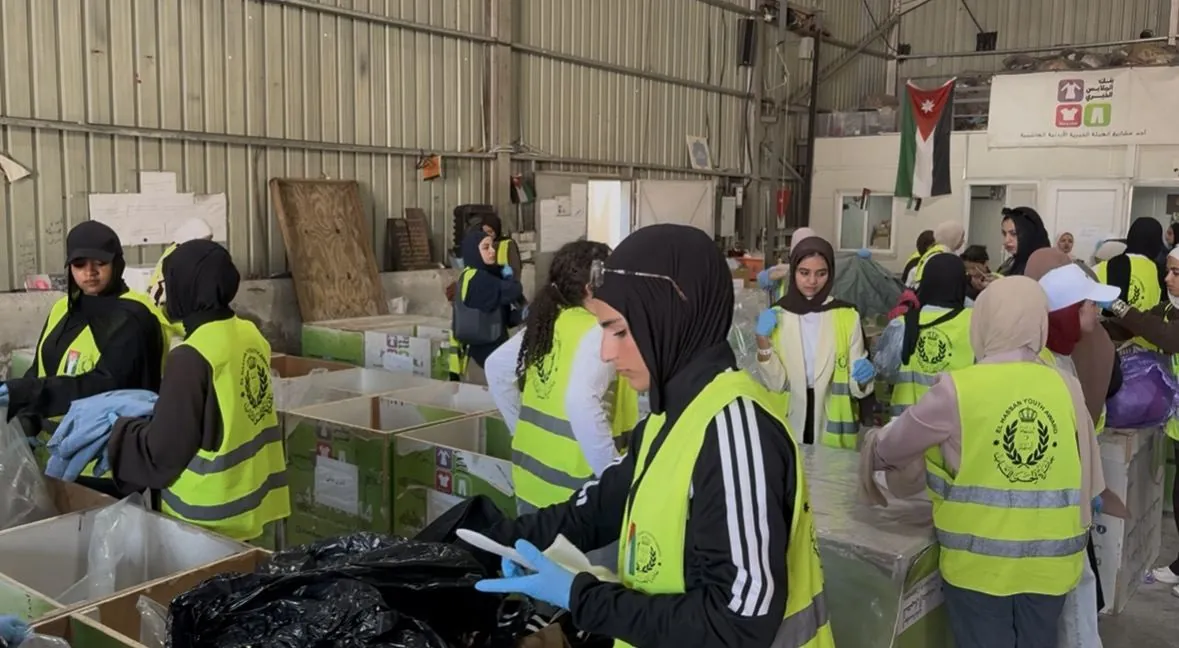
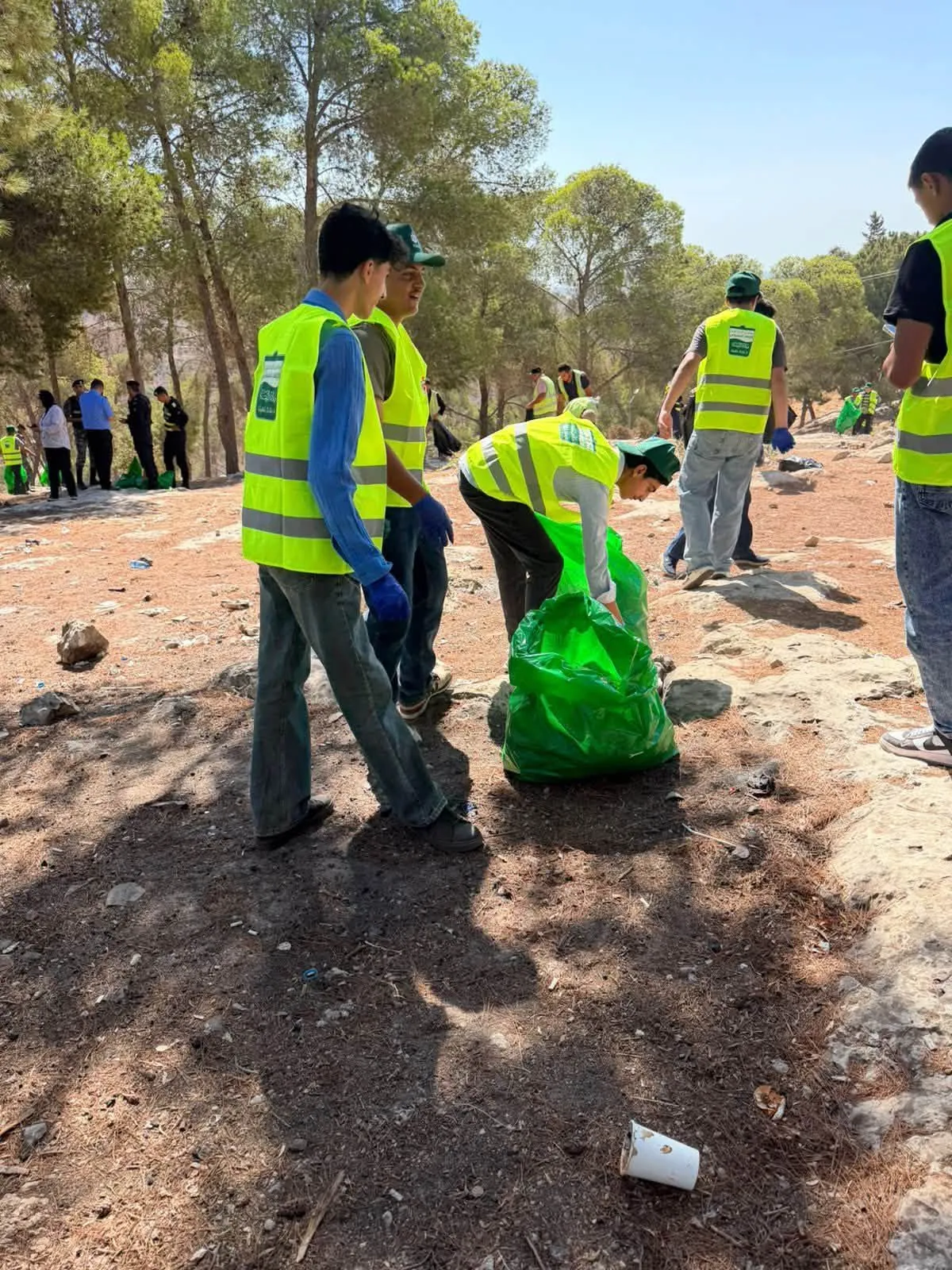
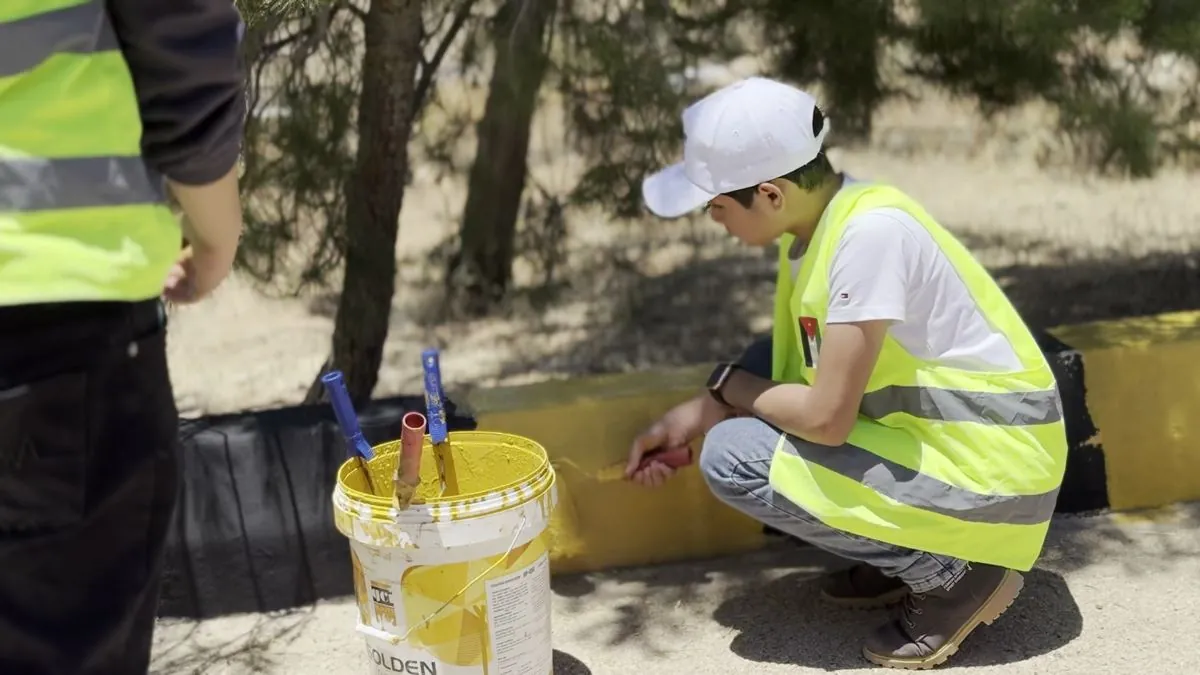
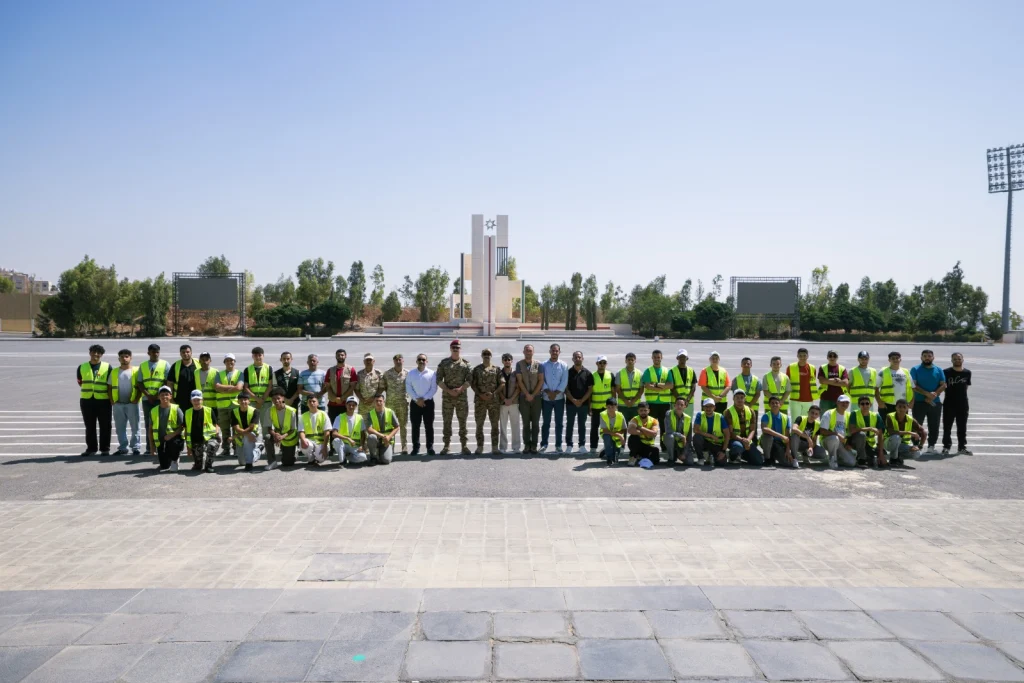
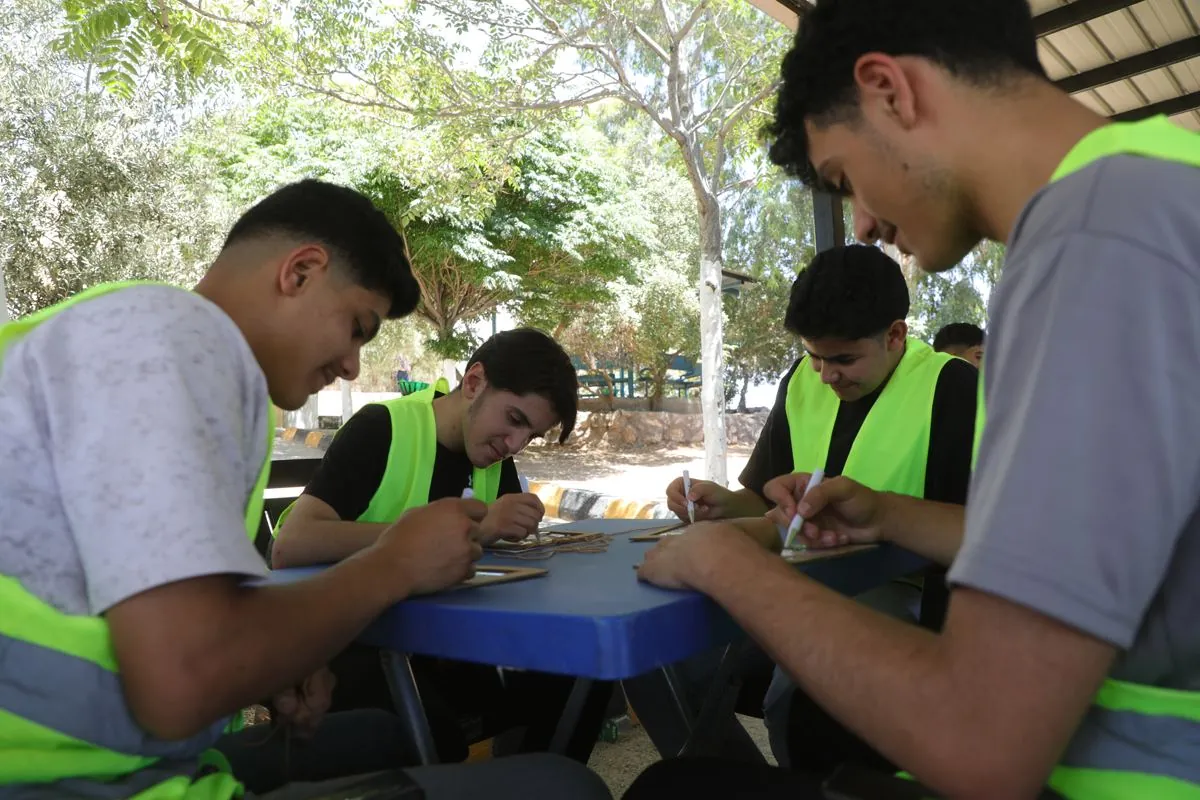
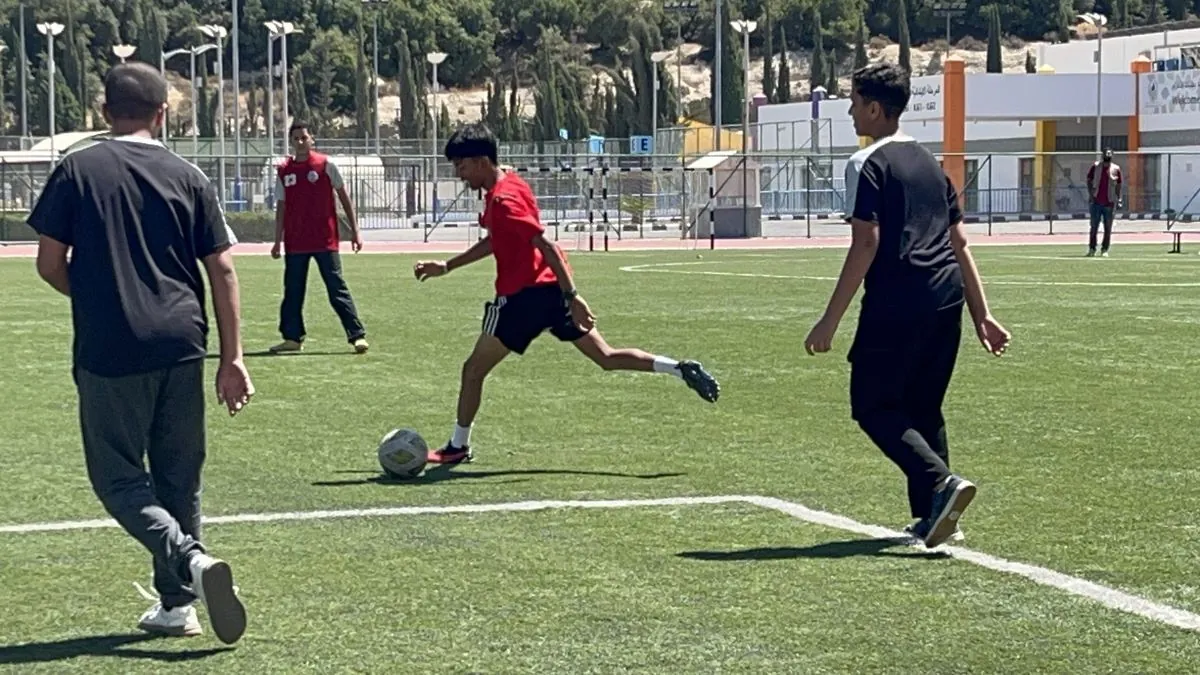
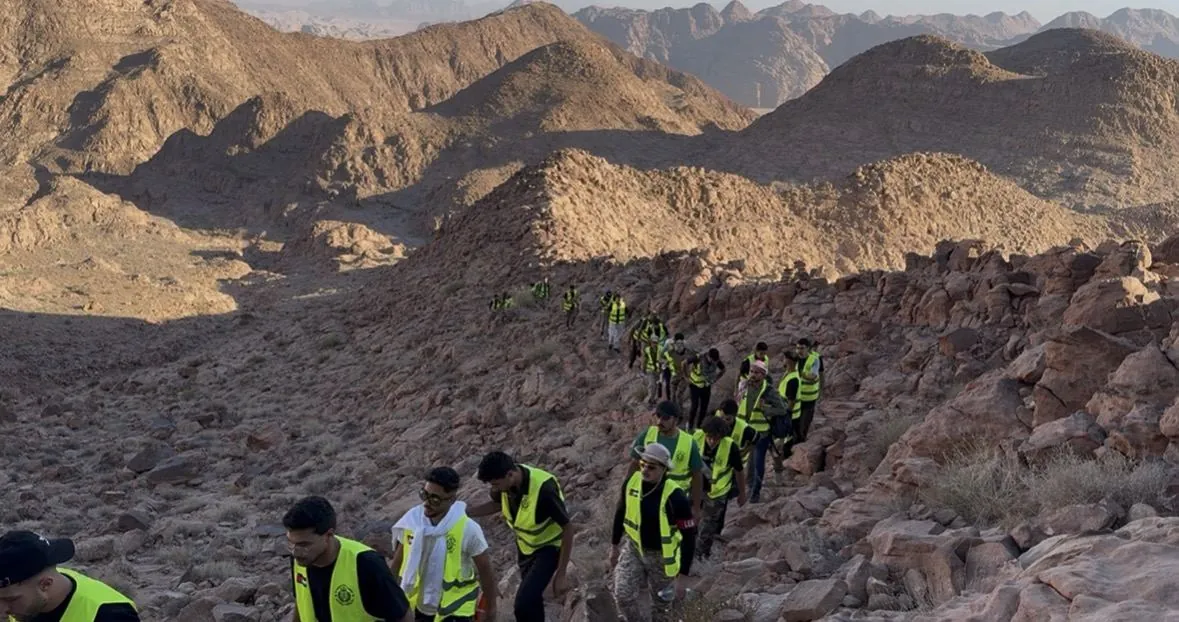
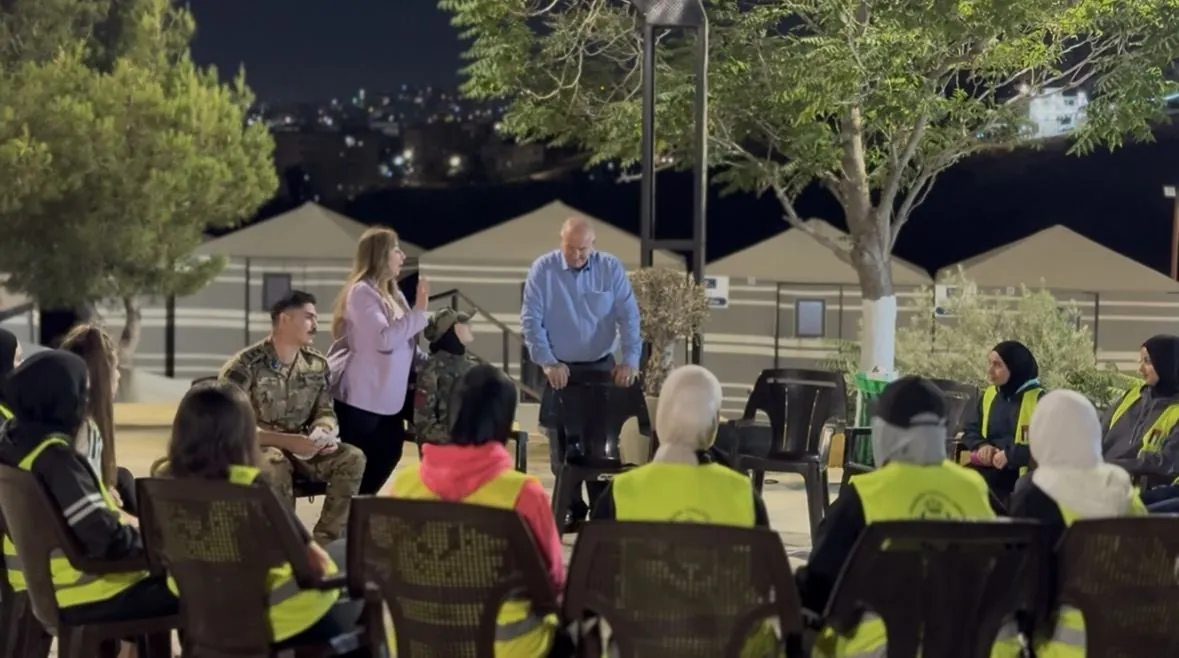
The Voluntary Service programme aims to provide and organise social opportunities, experience and activities that help the participant become a more effective and influential member of their community and environment.
Fields of service
Service is classified by who benefits, and by the nature of the service and the social need. By who benefits, service falls into these fields:
- Childhood
- Juveniles
- Women
- Older people
- Particular groups and people with disabilities
- The family
- Voluntary sectors
- Local community and environmental organisations
- Official and civil institutions
- Any other field agreed with the adviser
Service by its nature
By the nature of the service and the kind of need, service is divided into:
- Personal care, for individuals and groups (working with people with disabilities and with older people).
- Information, education and awareness (youth services and reproductive health).
- Psychological and social guidance and counselling, and social service.
- Medical, preventive and therapeutic care (health services, first aid).
- Individual and social development, and community organisation.
- Keeping public order and safety (community police, road-safety awareness).
- The environment, protecting nature and caring for animals (environmental services).
- Training, and general and specialist education.
- Recreation and social fellowship (mutual support and social solidarity).
- Protecting life and property (civil defence services).
- Economic and productive services, and economic projects to raise income.
- Tourism and promoting tourism (tourism services).
- Vocational and social rehabilitation.
- Social defence.
- General voluntary service in the institution (school, university or youth centre).
- Anything else, decided in consultation with the adviser.
Requirements by level
- Months of service
- 3
- Minimum service
- One hour a week
- Projects are defined and carried out under direct supervision, whether the work is done as a group or alone.
- Months of service
- 6
- Minimum service
- One hour a week
- A specific project is not required, but regular, ongoing supervision is. Earlier projects that need a continuing commitment, or that are done with others, may be used.
- Months of service
- 12
- Minimum service
- One hour a week
- A high level of maturity and competence is expected, with the ability to carry out projects effectively and to work with the bodies concerned to deal with difficulties.
Requirements, supervision and instructions
Requirements
The participant reads the Voluntary Service programme and discusses it with the supervisor.
They visit three social institutions and submit short reports, descriptive and analytical, on their work in the light of their aims and the community's needs.
They choose a suitable social service, with the coordinator's or supervisor's approval, and decide where it will be carried out.
They commit to a period of preparation or training before the service begins, of no more than a third of the set time, according to the nature of the activity.
They carry out a social service for at least one hour a week, for a stepped period (3, 6 or 12 months), which may be extended, so as to meet the minimum hours required.
They keep a personal record of their notes and work, and it is used in assessment.
They read about social issues in specialist articles, discuss them with a specialist, and submit analytical reports.
They study the local community's need for social services, or make a deeper study of the service they will give, showing a full understanding of the subject.
They plan a complete social project based on that study, showing a suitable level of responsibility and maturity.
They take an advanced training course in the chosen service, of no more than a third of the time spent on the service, so as to gain the skills needed.
Supervision and assessment
The supervisor follows the participant's work in the chosen service continuously.
Regular supervision sessions are held, at least three, starting after a set number of service hours and continuing through the remaining time as needed.
The sessions are for discussing the difficulties the participant faces and finding suitable ways through them.
The participant is supervised regularly by the adviser or the responsible body, according to the level of the programme.
Performance is assessed from the reports of the bodies where the service was carried out.
Follow-up moves from direct supervision to continuous follow-up by the supervising bodies at the advanced stages.
At the advanced levels the participant submits a complete plan for a social project, based on a study made beforehand.
Assessment is based on how far the requirements were met, the standard of performance, and the participant's personal qualities.
The participant submits a personal notebook, used in follow-up, discussion and assessment.
Instructions
The participant may change the practical service they chose if it cannot be carried out for a particular reason.
At Bronze and Silver, assessment is by the direct supervisor. At Gold it is by qualified staff as well as the supervisors, taking account of merit, competence, enthusiasm and human relationships.
The Voluntary Service programme follows one pattern at every level. Requirements completed at a lower level do not reduce the requirements of a higher level.
After the Voluntary Service programme has been completed successfully, the supervisor fills in and signs the participants' assessment reports in the Award record.