

Overall aim
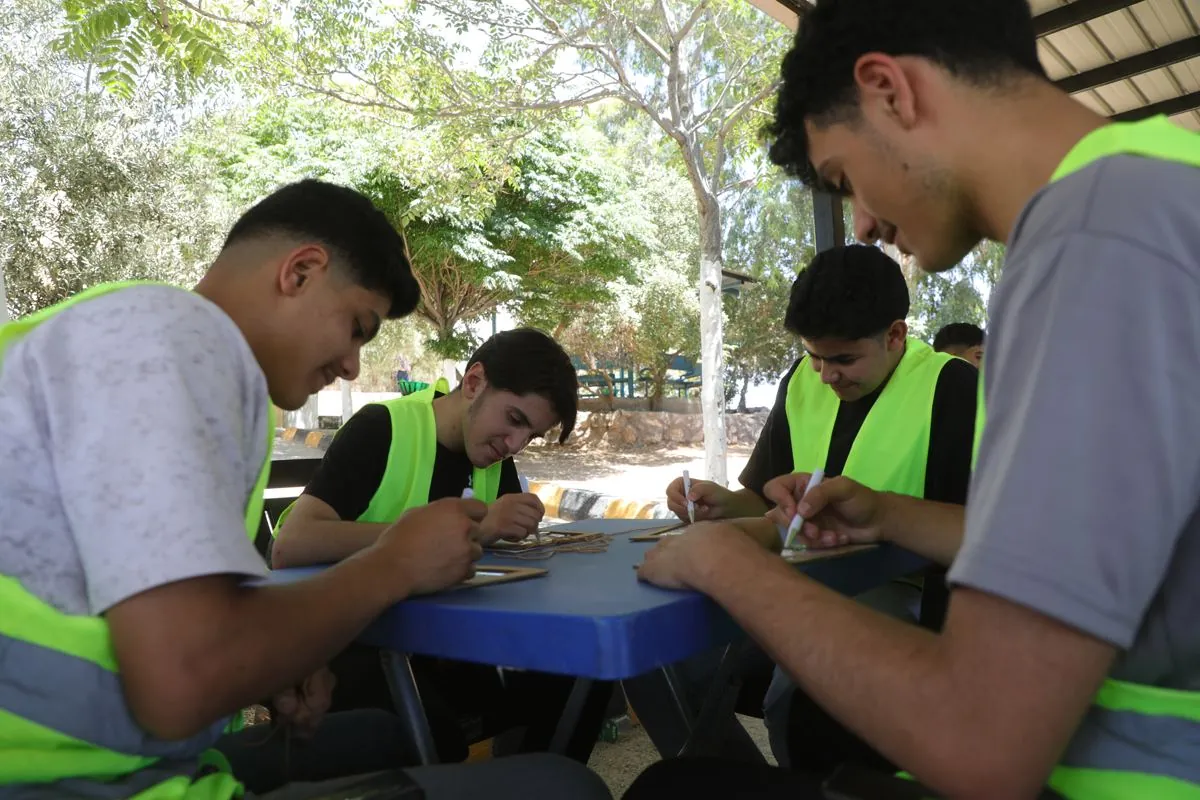
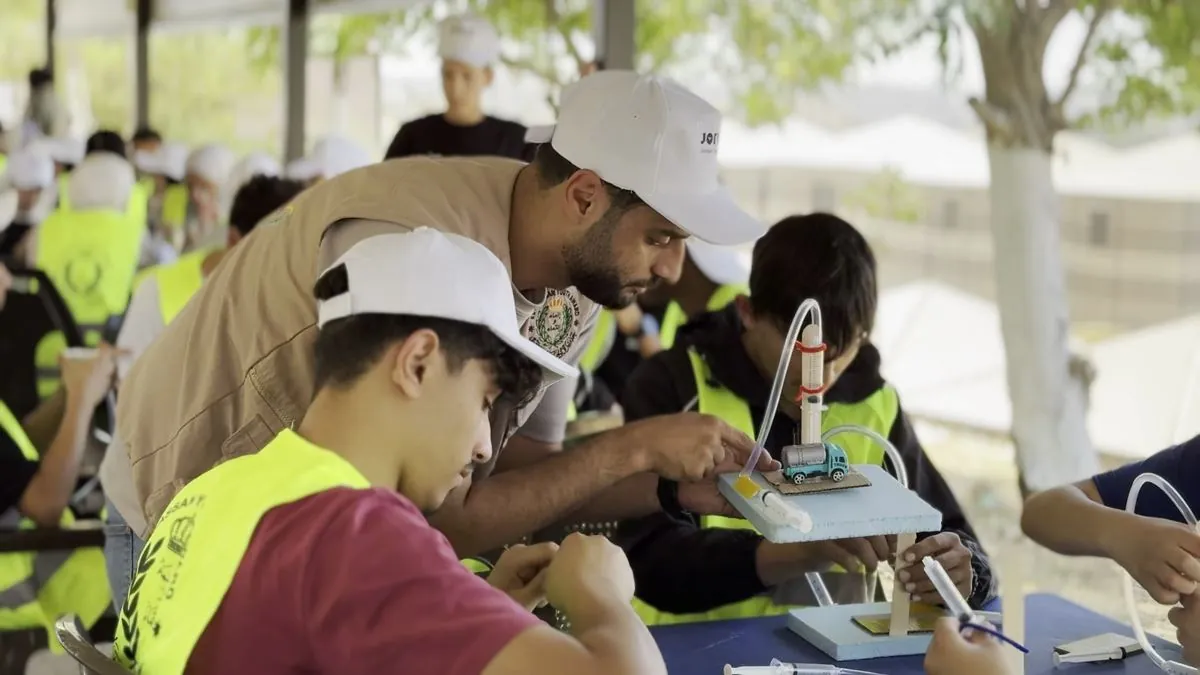
The Skills programme aims to develop the participant’s own interests through a practical skill they practise in their free time.
- Help in developing individual interests that involve practical skill.
- Use free time to practise the skill.
- Take in the practical, cultural and social sides of the chosen skill.
- Be in touch with experienced people, and learn from them, across different skills.
- Respect craft and manual work, and the people who do it.
- Develop human relationships through direct personal contact.
Types of skill
-
Music
Wind, brass, string and percussion instruments.
-
Nature
Caring for the environment and gardening, keeping fish and their tanks, and keeping and caring for pets, horses and birds.
-
Life skills
Consumer affairs, democracy and politics, personal presentation, and running a home.
-
Workshop trades
Carpentry, plumbing, blacksmithing and beauty care.
-
Needlework
Embroidery, sewing, knitting and macramé.
-
Handicrafts
Pottery and cooking, straw and flower work, carving and burning on wood, and painting on glass and mirrors.
-
Visual arts
Drawing, calligraphy, photography, sculpture and Islamic ornament.
-
Recreational skills
Chess, and refereeing sports.
-
Collections, studies and surveys
Collecting stamps and coins, citizenship, local and historical survey, archaeology, astronomy, anthropology and using a microscope.
-
Communication
Writing and reading, computing, and direct use of language (the rules of tajweed, dialogue, debate, discussion and sign language), languages, and Braille.
-
Transport
Cars (driving, maintenance and engineering), aeronautics and gliding.
Details of the programmes and syllabuses are available at the national Award office and its branches. For model syllabuses covering more than two hundred skills, see the detailed skills handbook.
Minimum time practising the skill
- Months of practising the skill
- 3
- Extra months, if you wish
- 3
- Practise the skill for at least three months at Bronze.
- Months of practising the skill
- 6
- Extra months, if you wish
- 6
- Practise the skill for at least six months at Silver.
- Months of practising the skill
- 12
- Extra months, if you wish
- 6
- Practise the skill for at least twelve months at Gold.
Requirements, supervision and instructions
Requirements
Complete the self-assessment form for the chosen skill.
Make individual progress, and keep a steady interest.
Plan the practice so that it is spread across the time set for each level.
Arrange monthly follow-up and guidance with the supervisor, and weekly practice sessions with them where possible.
Set a goal and work to reach it to a good standard.
Practise the skill for at least three months at Bronze, six months at Silver and twelve months at Gold. If you wish, you may add three months at Bronze, six months at Silver and six months at Gold.
Supervision and assessment
Assessment takes account of the effort and persistence, of progress in the skill, and of how well the participant has grasped the practical, cultural and social sides of the skill they chose.
The date the skill starts in the record must match the date of joining the Award.
At Bronze, assessment is by the supervisor who trained the participant and oversaw their practice. At Silver and Gold, the participant is assessed by someone else, who did not train them or supervise them directly, and the final report is written in the place provided in the Award record.
Group activities are assessed by each person's achievement within the group.
The participant qualifies to finish the skill if the assessor, in consultation with the supervisor, finds that they gave a fair part of their free time to it, kept it up for the required period, and showed progress.
Written work, where there is any, is assessed on its content. The supervisor's and assessor's notes are recorded on the self-assessment form.
Instructions
Participants and supervisors pay attention to the skill requirements as set out in the Award handbook and the skills handbook. Training is given by qualified people, or by people with wide experience who are keen to encourage participants.
These skills are for training and guidance, not a syllabus to be applied word for word. The programme is divided into syllabuses for beginners, for those with some knowledge, and for advanced participants. The beginners' syllabus is not limited to Bronze: the participant's background decides which syllabus they start with.
Participants may choose a wide or a narrow field from the skills suggested, provided they cover its social and cultural sides and observe general safety when they practise.
The participant chooses one of the skills listed in the skills handbook, to suit their interests and needs. They may also choose a skill that is not listed.
When moving from one level to the next, the participant may continue the same skill or change it.
The participant may change skill only once, when they move, when the supervisor moves, or when facilities are lacking, and the change must not affect the time set for the level.
Two skills may not be taken at once. The skill may be practised alone or in a group, in free time.
At the final assessment for each level, the participant shows the skill-development notebook and the work they produced while practising.
When the Skills programme has been completed successfully, the supervisor fills in the participants' assessment reports in the Award record and signs them.