


Overall aim
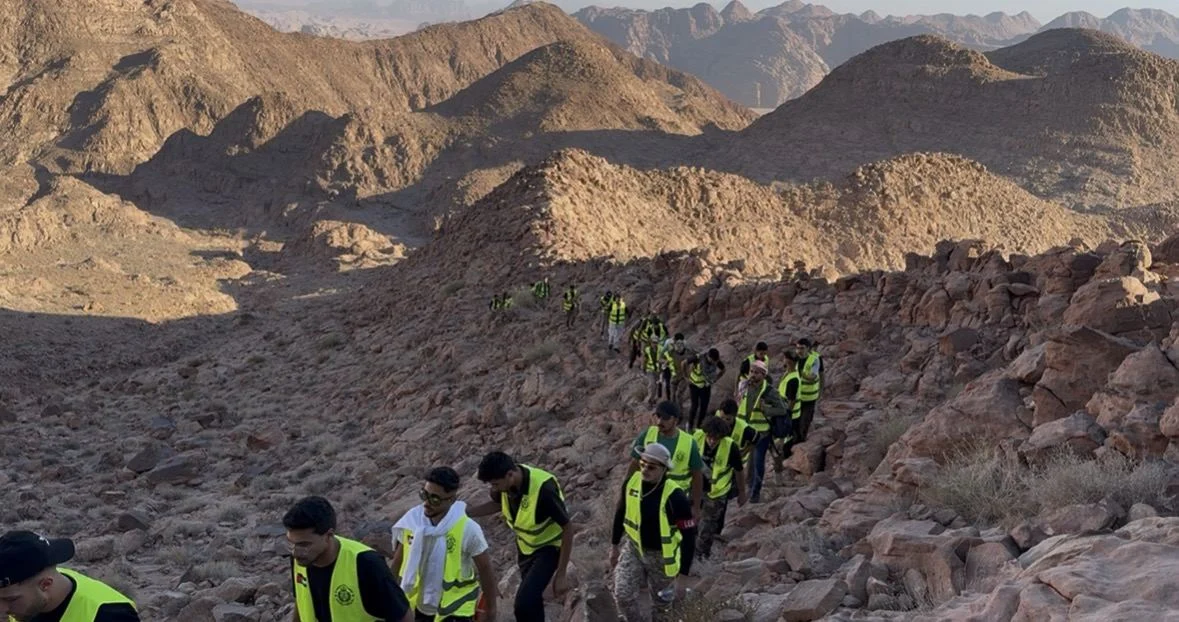
The journeys programme aims to develop a spirit of adventure and exploration, and the ability to plan well, take decisions, be self-reliant and adapt to different conditions, and so to strengthen national belonging.
Types of journey
-
Scouting journeys (the route)
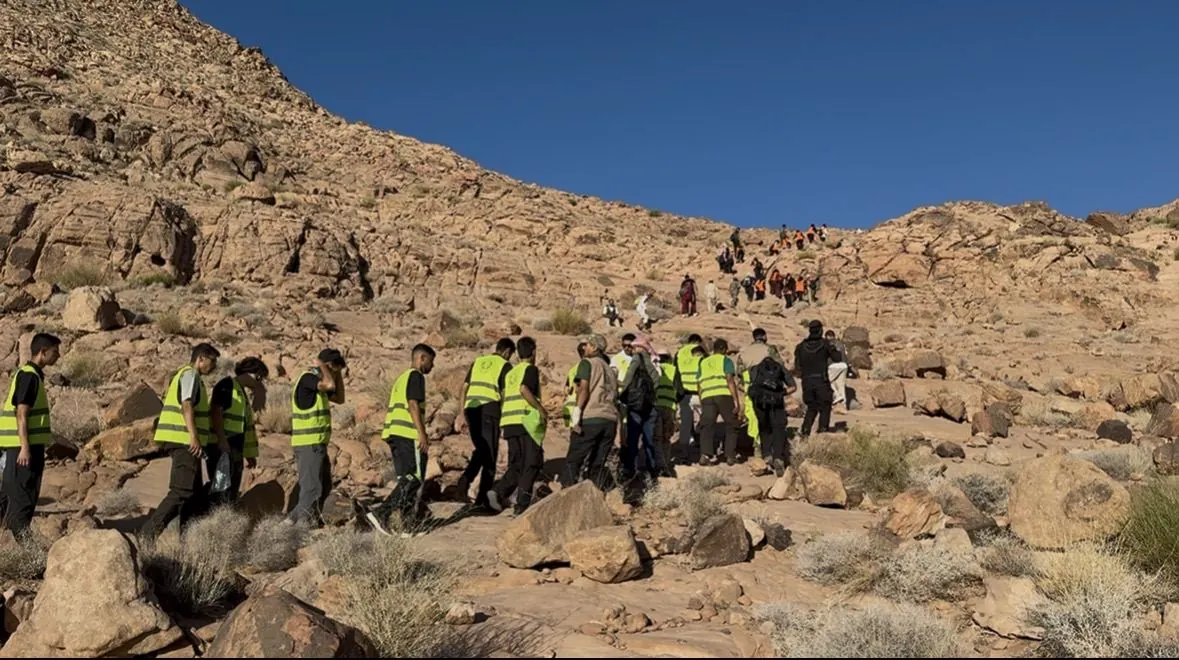
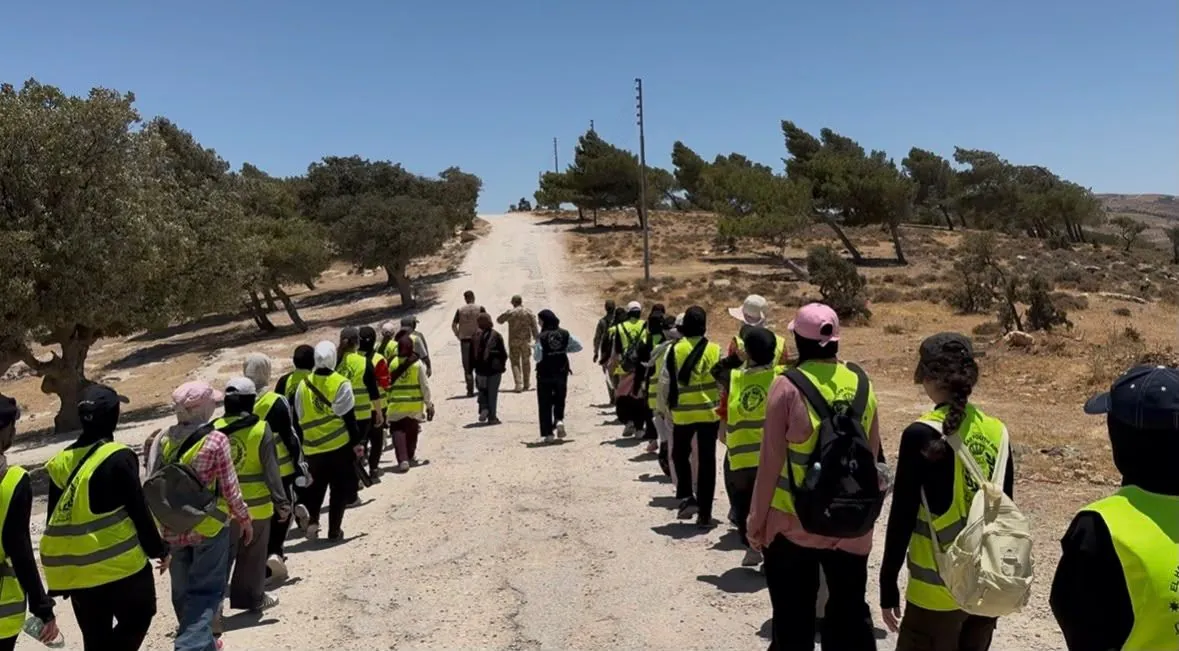
These involve travelling set distances, so that the participant covers them, with the observation that goes with that.
-
Exploration and research journeys
These journeys cover shorter distances than scouting journeys, and most of the time is given to research and investigation.
-
Other adventurous journeys
Any journeys that share the aim of the journeys above, but differ in what they contain.
Requirements
- Days
- 3
- Nights away
- 2
- Hours of activity a day
- 6
- Trial journeys at each level
- At least one journey.
- After completing 70% of the hours in the other sections (Voluntary Service, Skills, Physical Recreation), you can take part in the Adventurous Journey for three days and two nights.
- Carry out programmed daily activities on the journey, at an average of six hours a day.
- Days
- 4
- Nights away
- 3
- Hours of activity a day
- 7
- Trial journeys at each level
- At least two journeys, one of them for Bronze Award holders.
- After completing 70% of the hours in the other sections (Voluntary Service, Skills, Physical Recreation), you can take part in the Adventurous Journey for four days and three nights.
- Carry out programmed daily activities on the journey, at an average of seven hours a day.
- Days
- 5
- Nights away
- 4
- Hours of activity a day
- 8
- Trial journeys at each level
- At least three journeys, two of them for Bronze Award holders and one for Silver Award holders.
- After completing 70% of the hours in the other sections (Voluntary Service, Skills, Physical Recreation), you can take part in the Adventurous Journey for five days and four nights.
- Carry out programmed daily activities on the journey, at an average of eight hours a day.
Training
Training must be given to all participants, for every type of journey and at every Award level, in the following subjects:
- National lectures
- Journeys and their types
- Journey advice and skills
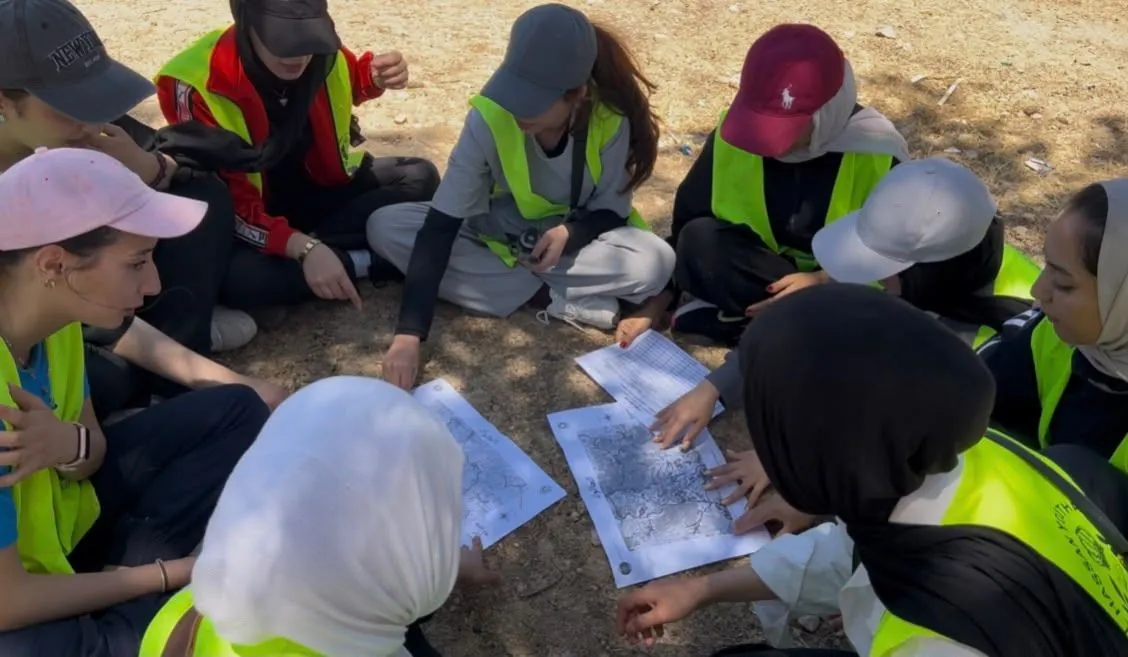
- Map reading
- First aid
- Using a compass
- The art and skills of camping
- Hiking skills
- Planning and preparing the journey
- The trial journey
- Safety precautions, observations and the journey report
Specialist trainers record the subjects they have trained participants in, in the Award record.
Supervision, assessment and instructions
Supervision and assessment
Every journey, including trial journeys, needs supervision by mature, experienced people who are responsible for the safety of the group. The supervisor must be satisfied that participants have been suitably trained before the journey.
What each person does on the assessment journey is assessed by an assessor, who must also make sure that the purpose of the journey is carried out and achieved.
When participants travel far from where they live, it may be wise to appoint two assessors. One assesses the training and the kit before the group leaves for the journey area. The second approves the plan and accompanies the journey itself. A separate assessor may also be useful for the activities and results of research journeys.
The assessor may cancel the assessment journey if participants have not had enough preparatory training, or if the weather is not fit for the journey.
Instructions
The environment should suit the aim of the journey. For Silver and Gold it should also be unfamiliar to the participant.
Participants must make trial journeys similar to the ones they intend to use for assessment, even if those journeys are easy and comfortable.
Before a journey on foot in an unfamiliar mountain area, the group must spend at least 48 hours acclimatising in a similar area.
For ordinary, open country the group is 3 to 6 people. For rough or enclosed country it is 4 to 7.
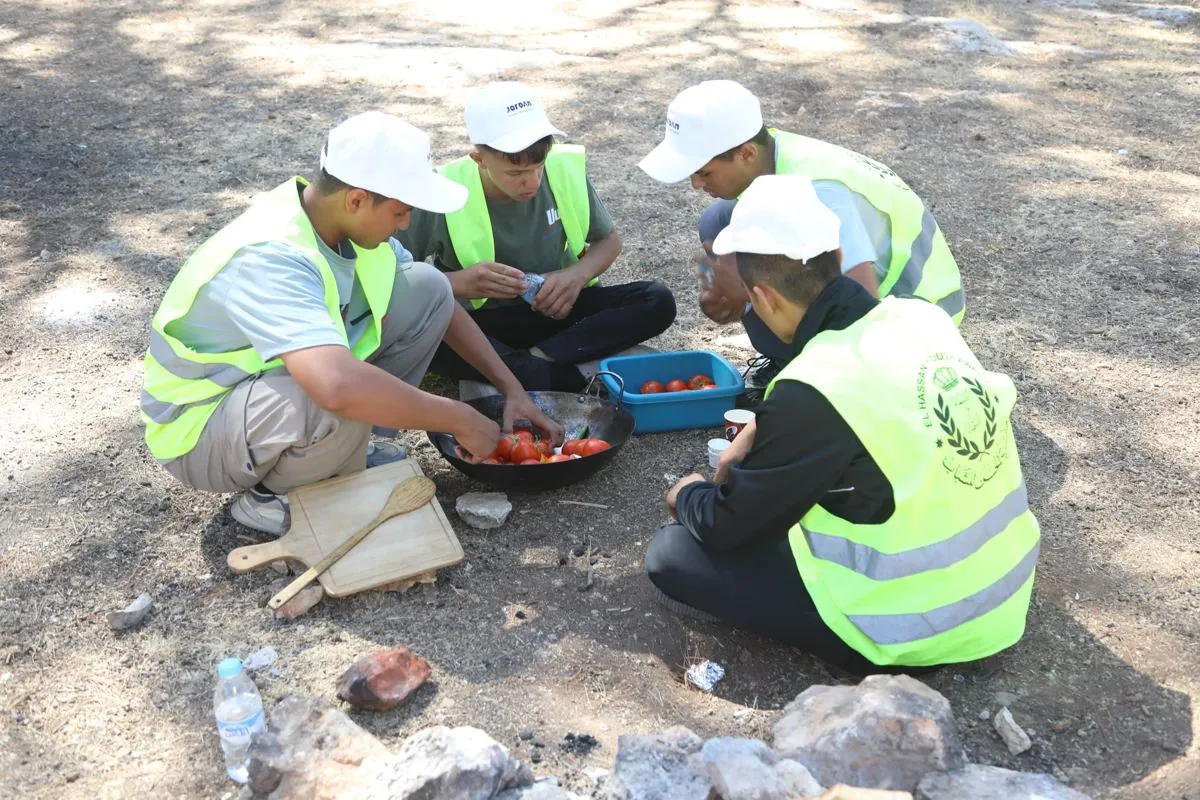
Each participant must carry and use suitable kit, including clothing and food, and must prepare meals on the journey.
A written or spoken report must be given immediately after the journey.
Before the assessment journey, the supervisor must be sure the participant has had enough preparatory training, and has done the required trial journeys, before being allowed to take the assessment journey.
Journeys may be made with animals or bicycles if the participant wishes.
When the journeys programme requirements have been completed successfully, the supervisor of the preparatory training centre and the military trainer complete and sign the Award record.